


What's Happening?
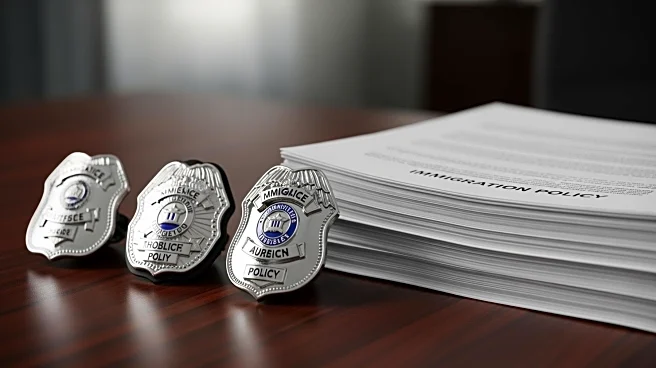
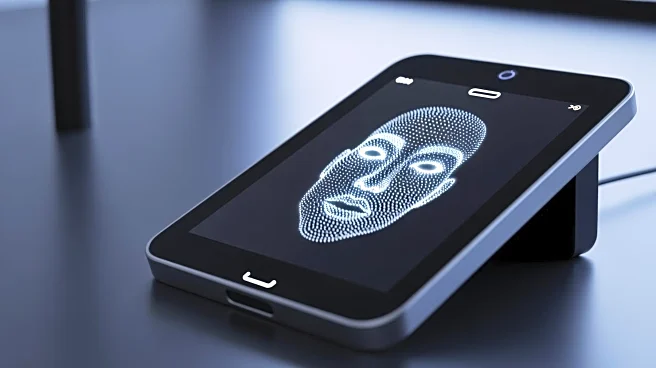
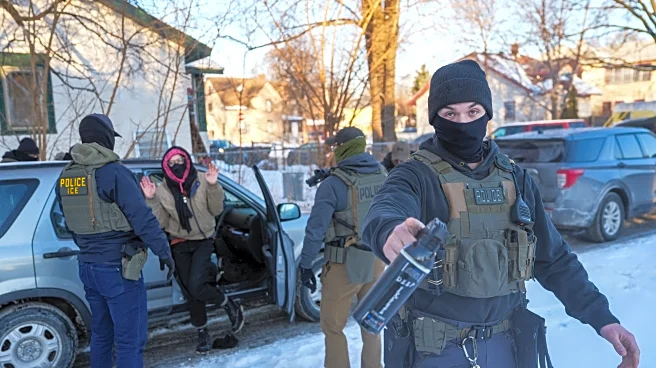
The Department of Homeland Security (DHS) has been reported to use its surveillance capabilities to track and intimidate individuals who criticize government policies. A notable case involves a 67-year-old retired Philadelphia man who sent a polite email
to a government lawyer, urging caution in a deportation case. Within hours, DHS issued an administrative subpoena to unmask him, and federal agents visited his home days later. This incident is part of a broader pattern where DHS has used administrative subpoenas to identify anonymous social media accounts documenting Immigration and Customs Enforcement (ICE) activities. These actions have raised alarms about the chilling effects on free speech, as they appear to target individuals for their protected speech under the First Amendment.
Why It's Important?
The use of administrative subpoenas by DHS to identify and potentially intimidate individuals for their speech poses significant concerns for civil liberties and free speech in the United States. Such actions can deter individuals from expressing dissent or documenting government activities, which are protected under the First Amendment. The power of the federal government to mobilize against citizens for their speech can create a chilling effect, discouraging public discourse and criticism. This development is particularly concerning in a democratic society where free speech is a fundamental right. The lack of judicial oversight in issuing administrative subpoenas further exacerbates the potential for abuse of power.
What's Next?
The American Civil Liberties Union (ACLU) is representing several individuals targeted by DHS's actions, highlighting the need for legal challenges to protect free speech rights. There may be increased scrutiny and calls for reform regarding the use of administrative subpoenas and the oversight of federal surveillance practices. Civil society groups and legal experts are likely to advocate for stronger protections against government overreach in matters of free speech. The broader implications for privacy and civil liberties could lead to legislative or judicial actions to address these concerns.
Beyond the Headlines
The DHS's actions reflect a deeper issue of balancing national security with individual rights. The use of surveillance and administrative subpoenas without judicial oversight raises ethical and legal questions about government accountability and transparency. This situation underscores the importance of maintaining checks and balances on government power to prevent the erosion of civil liberties. The cultural impact of such government actions could lead to increased public awareness and activism around issues of privacy and free speech.