


What's Happening?
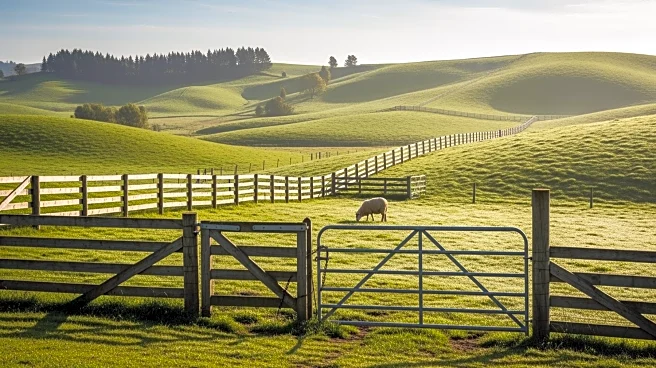
Iowa State University students and faculty recently participated in a two-week study abroad program in New Zealand, focusing on the country's distinctive agricultural systems. The program, part of the Agricultural Systems of New Zealand course, allowed
participants to explore livestock production, crop systems, and the cultural history influencing New Zealand's agriculture. Students visited various farms, including Riverton Ezcalve Herefords, where they learned about targeted breeding programs and the use of genomics. The trip also included cultural experiences, such as a visit to the Mitai Māori Village, where students learned about Māori traditions and their relationship with the land. This exposure provided students with a broader understanding of global agricultural practices and cultural heritage.
Why It's Important?
The study abroad program is significant as it offers students a comprehensive view of agricultural practices that differ from those in the U.S., particularly the Midwest. By understanding New Zealand's pasture-driven systems and cultural heritage, students can reflect on their own agricultural practices and cultural history. This experience is crucial for fostering global awareness and adaptability in future agricultural professionals. Additionally, the program highlights the importance of cultural immersion in education, promoting personal and professional growth by stepping outside one's comfort zone.
What's Next?
The insights gained from this program may influence future agricultural practices and educational approaches at Iowa State University. Students and faculty might integrate these learnings into their curriculum, encouraging more study abroad opportunities. The program could also inspire similar initiatives, fostering international collaboration and cultural exchange in agricultural education.
Beyond the Headlines
The program underscores the value of cultural immersion in education, highlighting how understanding diverse agricultural systems and cultural histories can lead to more sustainable and inclusive practices. It also reflects on the parallels between Māori and Native American histories, offering a platform for discussions on cultural preservation and reconciliation.