





What's Happening?
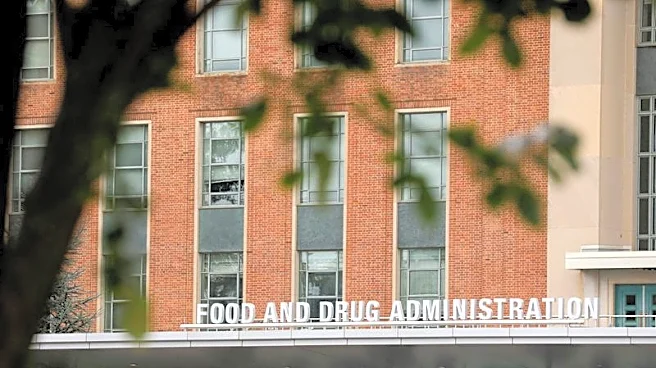
The Food and Drug Administration (FDA) is under scrutiny for allegedly blocking the publication of studies affirming the safety of COVID and shingles vaccines. Reports from The New York Times and The Washington Post suggest that FDA scientists have been
unable to publish findings that support vaccine safety due to administrative decisions. This has led to accusations of censorship and calls for congressional hearings. The controversy centers around the perceived lack of transparency and the potential impact on public trust in vaccines.
Why It's Important?
The FDA's actions have significant implications for public confidence in vaccines, which is crucial for maintaining high vaccination rates and controlling infectious diseases. The allegations of censorship could undermine trust in the FDA and other health authorities, potentially affecting public health initiatives. The situation also raises questions about the balance between scientific integrity and administrative oversight, highlighting the need for transparency in health communications. The outcome of this controversy could influence future policy decisions and the public's perception of vaccine safety.
What's Next?
The calls for congressional hearings suggest that there may be further investigations into the FDA's decision-making processes. This could lead to policy changes aimed at increasing transparency and accountability within the agency. The controversy may also prompt a broader discussion about the role of government agencies in scientific research and public health communications. Stakeholders, including healthcare professionals and policymakers, will likely engage in debates about the best ways to ensure public trust in vaccines and health authorities.