



What's Happening?
The United Nations Development Programme (UNDP), through its Programme of Assistance to the Palestinian People (UNDP/PAPP), and the Government of Germany have signed an EUR 18 million project agreement. This funding is designated to scale up early recovery
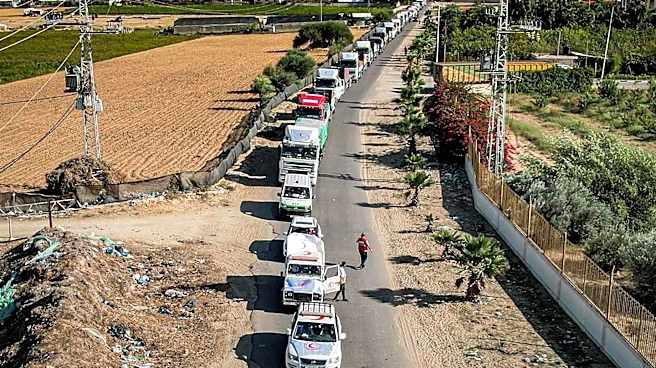
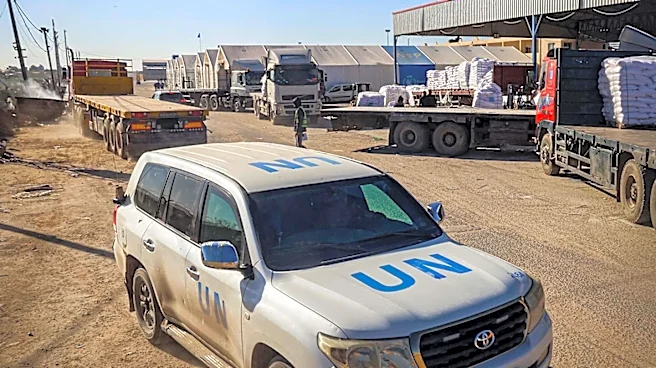
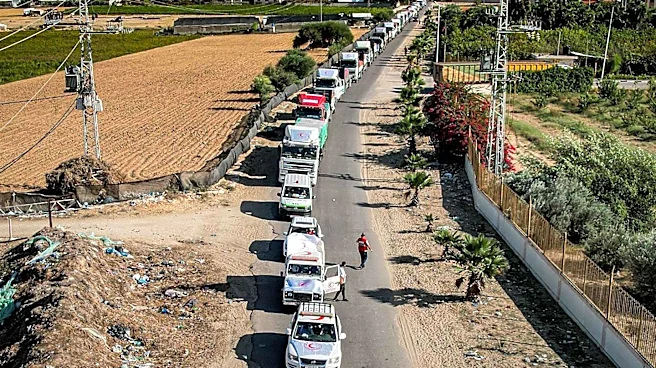
efforts in the Gaza Strip, specifically supporting the second phase of UNDP’s Inclusive Transitional Community Neighbourhoods (ITCN) program. The ITCN program aims to enhance access to temporary shelter, basic services, livelihood opportunities, and community-based assistance for those affected by displacement and destruction in Gaza. This new contribution will extend UNDP’s neighborhood-focused model to reach over 300,000 people, with the goal of addressing immediate needs while simultaneously laying the groundwork for longer-term recovery and the restoration of essential community infrastructure over the next two years. The expanded program builds on the first phase, which reportedly reached over one million people through various support initiatives and facilitated the entry of the first relief housing units into Gaza.
Why It's Important?
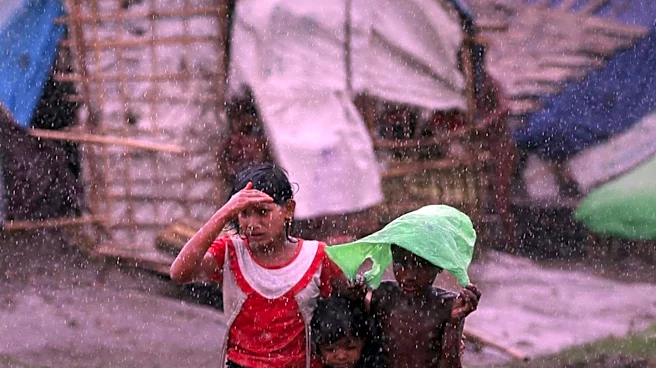
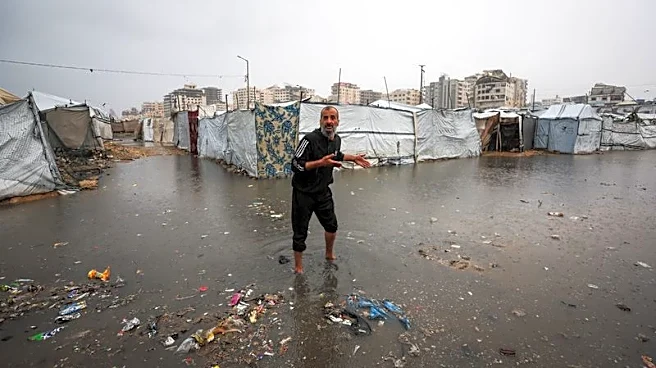
This EUR 18 million agreement is crucial for the humanitarian situation in Gaza, where widespread destruction and displacement have left 94% of the population in need of shelter and basic household assistance, and approximately 1.7 million people are currently residing in displacement sites. The funding from Germany, a significant development partner, underscores an international commitment to not only provide immediate relief but also to foster sustainable recovery. By focusing on integrated early recovery interventions through a community neighborhood model, the initiative aims to bridge the gap between humanitarian aid and longer-term development. This approach is vital for restoring community social fabric, essential services, and livelihood opportunities, which are critical for the stability and well-being of the affected population. The program's emphasis on partnerships with Palestinian institutions and local actors is also key to ensuring effective and context-appropriate implementation.
What's Next?
Over the next two years, the EUR 18 million funding will be utilized to expand UNDP’s integrated neighborhood approach, aiming to reach over 300,000 people in Gaza. The program will focus on improving access to temporary shelter, basic services, livelihood opportunities, and community-based assistance. This will involve reducing immediate gaps for displaced families and supporting conditions for more sustainable recovery. The initiative will also strengthen partnerships with Palestinian institutions, UN agencies, and local actors, leveraging operational experience gained from the first phase of the ITCN program. Germany’s Ministry for Economic Cooperation and Development (BMZ) views this commitment as a pivotal cornerstone of its contribution to the 'Team Gaza Initiative,' indicating continued international support for recovery efforts in the region.
Beyond the Headlines
The agreement between UNDP and Germany highlights a broader shift in humanitarian aid strategies towards integrated, community-neighborhood programming that links immediate relief with long-term development. This approach recognizes that sustainable recovery in protracted crisis settings requires more than just short-term assistance; it demands the rebuilding of community systems, restoration of livelihoods, and fostering of social cohesion. For NGOs and development practitioners, this initiative serves as a model for effective programming that is locally connected and oriented towards community functionality. It also signals donor interest in scaling approaches with proven delivery experience and expanding geographic coverage, emphasizing the importance of local partnerships and integrated solutions in addressing complex humanitarian challenges.