



What's Happening?
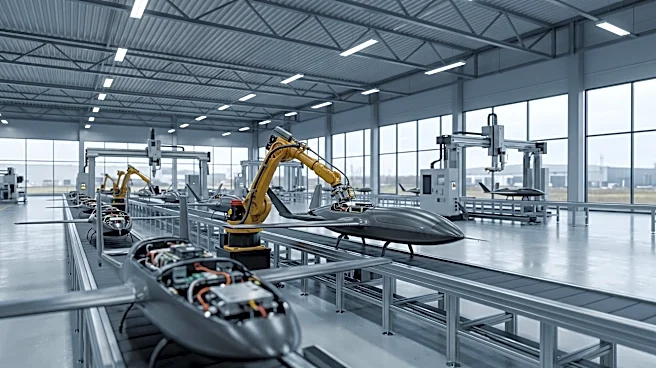
The European Commission has disbursed €1.24 billion to Ukraine, specifically earmarked for the production of drones, drone interceptors, drone ammunition, and missiles within Ukraine. This payment is part of a larger €90 billion Ukraine Support Loan,
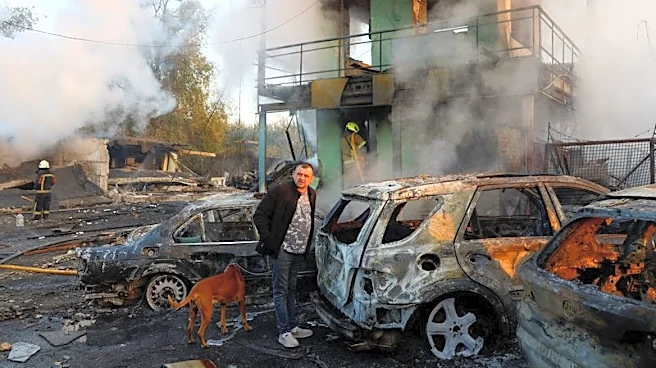
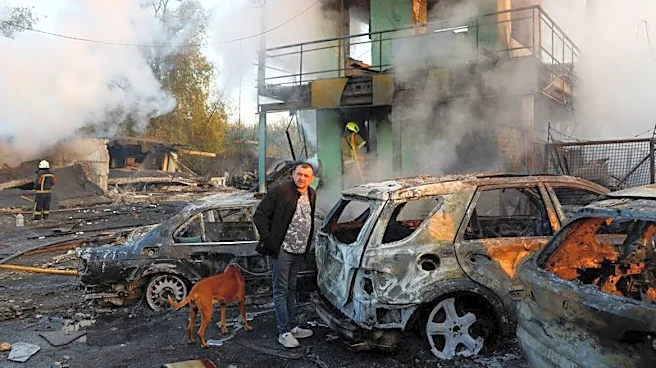
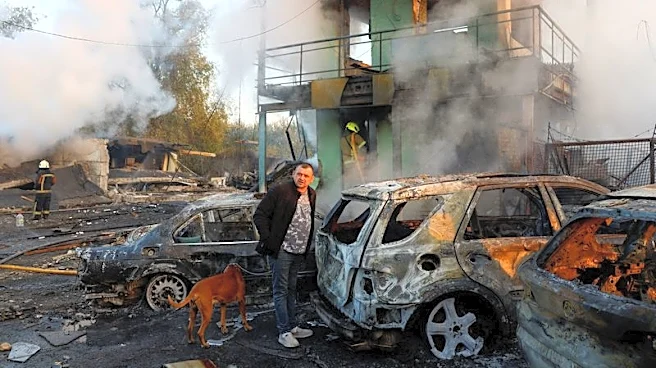
with an indicative split of €60 billion for defense and €30 billion for budget support over 2026–2027. According to Andrius Kubilius, Commissioner for Defence and Space, every euro sent to Ukraine is being converted into defense assets, simultaneously aiding Ukraine's self-defense and bolstering its defense industry. Commission President Ursula von der Leyen emphasized that this disbursement will help strengthen Ukraine's defense industry and its ability to protect its people and infrastructure against ongoing attacks. This marks the fifth defense payment made under the Ukraine Support Loan, with further disbursements anticipated in the coming weeks.
Why It's Important?
This significant financial disbursement is crucial for Ukraine's defense capabilities and its long-term strategic autonomy. By funding the domestic production of drones and missiles, the European Commission is directly supporting Ukraine's ability to counter aggression and protect its sovereignty. This approach not only provides immediate military aid but also fosters the growth and resilience of Ukraine's defense industrial base. Strengthening local production reduces reliance on external supply chains, which can be vulnerable to disruptions, and ensures a more consistent supply of critical defense assets. Furthermore, this investment signals a strong and sustained commitment from the European Union to Ukraine's security, reinforcing international solidarity against aggression. It also serves as a strategic move to integrate Ukraine's defense industry more closely with Europe's, potentially leading to greater interoperability and shared technological advancements in the future.
What's Next?
The European Commission plans to disburse an additional €28.3 billion for Ukraine's defense industrial capacity in 2026, with €28.1 billion remaining available under the Ukraine Support Loan for the rest of the year. This includes €15.4 billion for defense industrial capacity and €12.7 billion in budget support. Another €4.4 billion in budget support is available under the initial Ukraine Facility, bringing the total financial support still available for the year to €32.5 billion. These future disbursements are contingent on Ukraine meeting specific conditions outlined in the Ukraine Plan and the Memorandum of Understanding. The ongoing financial support is expected to continue bolstering Ukraine's defense production, enabling it to further develop and deploy advanced military technologies. This sustained investment will likely lead to increased domestic manufacturing capabilities and a more robust defense posture for Ukraine.
Beyond the Headlines
The European Commission's strategy of funding domestic production in Ukraine has deeper implications beyond immediate military support. It represents a paradigm shift in how international aid can be structured to not only address immediate crises but also build long-term economic and industrial resilience. By investing in Ukraine's defense industry, the EU is effectively creating a strategic partnership that could transform Ukraine into a significant player in the European defense sector. This approach could also serve as a model for future international aid efforts, emphasizing self-sufficiency and industrial development in recipient nations. Moreover, the focus on drones and missiles highlights the evolving nature of modern warfare, where unmanned systems and precision strike capabilities are becoming increasingly critical. This investment underscores the importance of technological innovation and domestic manufacturing in maintaining national security and projecting influence in a complex geopolitical landscape.