






What's Happening?
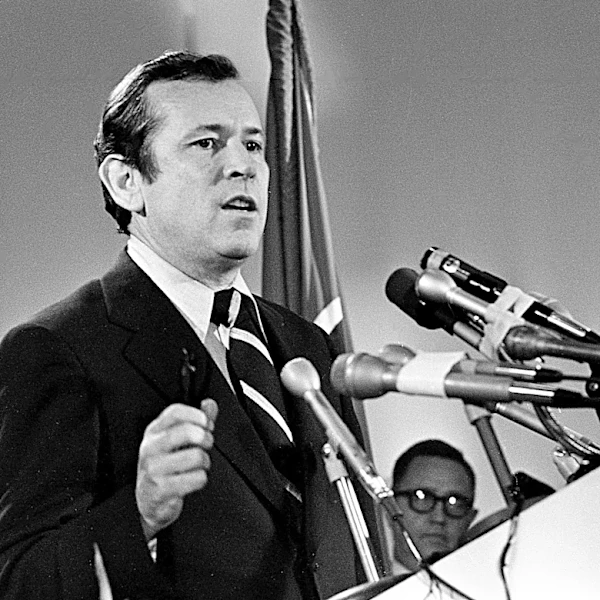
Representative Eric Burlison, a Republican from Missouri, is a vocal proponent for the continued development of data centers in the United States. He argues that opposition to data center construction inadvertently benefits China, emphasizing that their
proliferation is an inevitable aspect of technological advancement. Burlison's stance highlights a growing debate within U.S. politics regarding the balance between local community concerns and national technological competitiveness. While some politicians, like Texas Governor Greg Abbott and Ohio Senator Jon Husted, have shifted their positions to address public resistance to data centers, Burlison maintains that the U.S. must embrace this technology to remain competitive on the global stage. His perspective aligns with the view that data centers are crucial for a robust technological future and for keeping pace with international rivals.
Why It's Important?
The debate surrounding data center development carries significant implications for U.S. industries, national security, and economic policy. Burlison's argument underscores the strategic importance of data infrastructure in the context of global competition, particularly with China. The rapid expansion of artificial intelligence and other data-intensive technologies necessitates substantial data center capacity. If the U.S. lags in this area due to local opposition or policy shifts, it could cede technological leadership to other nations, impacting innovation, economic growth, and national security capabilities. The tension between local community concerns—such as water usage, energy consumption, and property values—and the broader national interest in technological advancement presents a complex challenge for policymakers. The outcome of this debate will influence the future landscape of U.S. tech infrastructure and its position in the global digital economy.
What's Next?
The ongoing discussion about data center development is likely to intensify as technological demands grow and community concerns persist. Politicians like Representative Burlison will continue to advocate for policies that support the construction and expansion of data centers, framing it as a matter of national competitiveness. Conversely, other elected officials may continue to respond to grassroots movements by implementing moratoriums or stricter regulations on new data center projects. This could lead to a patchwork of policies across different states and localities, potentially creating challenges for companies seeking to expand their data infrastructure. The federal government may also explore incentives or regulations to guide data center development, aiming to balance economic and strategic imperatives with environmental and community impacts. The upcoming midterm elections could further shape this discourse, as candidates adapt their platforms to address voter sentiment on this issue.
Beyond the Headlines
Beyond the immediate economic and political considerations, the data center debate touches upon deeper societal and ethical questions. The rapid growth of AI and data-driven technologies raises concerns about privacy, surveillance, and the concentration of power in the hands of a few tech giants. The environmental footprint of data centers, particularly their energy and water consumption, also presents a significant ethical challenge in an era of climate change. Burlison's argument about competing with China highlights a broader geopolitical struggle for technological dominance, where data infrastructure is a critical battleground. This competition could lead to increased government intervention in the tech sector, potentially influencing everything from data sovereignty to supply chain resilience. The long-term implications involve not just who builds the most data centers, but also how these powerful infrastructures are governed, regulated, and integrated into society in a way that benefits all citizens.