



What's Happening?
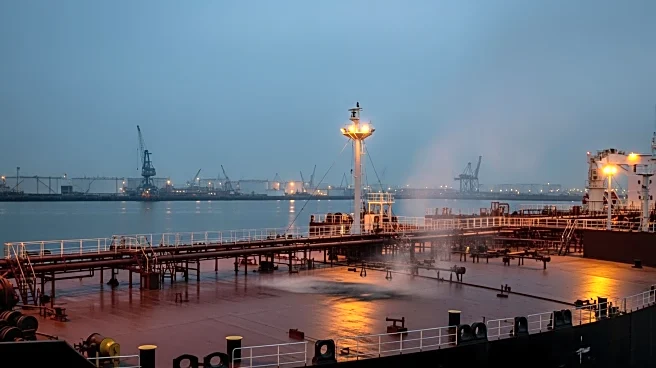
Local officials in Russia's Rostov Oblast have reported that Ukrainian drones struck an oil tanker in the Port of Rostov overnight on December 18. The incident, which was shared on social media by local residents, showed large flames emanating from the port area.
Rostov-on-Don Mayor Alexander Skryabin stated that emergency crews were working to extinguish the fire on the tanker. The attack reportedly resulted in three fatalities and several injuries. However, there were conflicting reports about the type of vessel involved, with some officials later suggesting a cargo ship was targeted instead. The Kyiv Independent could not immediately verify these claims. This strike is part of a series of Ukrainian operations targeting Russian oil infrastructure, which Ukraine views as a key revenue source for Russia's military efforts.
Why It's Important?
The reported drone strike on a Russian oil tanker highlights the ongoing tensions and military engagements between Ukraine and Russia. Such actions are significant as they target critical infrastructure that supports Russia's economy and military operations. The incident underscores Ukraine's strategy to disrupt Russian oil and gas operations, which are vital for funding Russia's military activities. This development could escalate tensions further, potentially leading to retaliatory measures from Russia. The international community, particularly countries involved in supporting Ukraine, will be closely monitoring these developments as they could impact global energy markets and geopolitical stability.
What's Next?
The immediate aftermath of the strike may involve increased security measures around Russian oil infrastructure and potential retaliatory actions by Russia. Ukraine's military strategy may continue to focus on targeting Russian economic interests to weaken its military capabilities. The international community, including NATO and EU countries, may need to reassess their support strategies for Ukraine, balancing military aid with diplomatic efforts to prevent further escalation. Additionally, this incident may prompt discussions on the security of maritime routes and the protection of critical infrastructure in conflict zones.