








What's Happening?
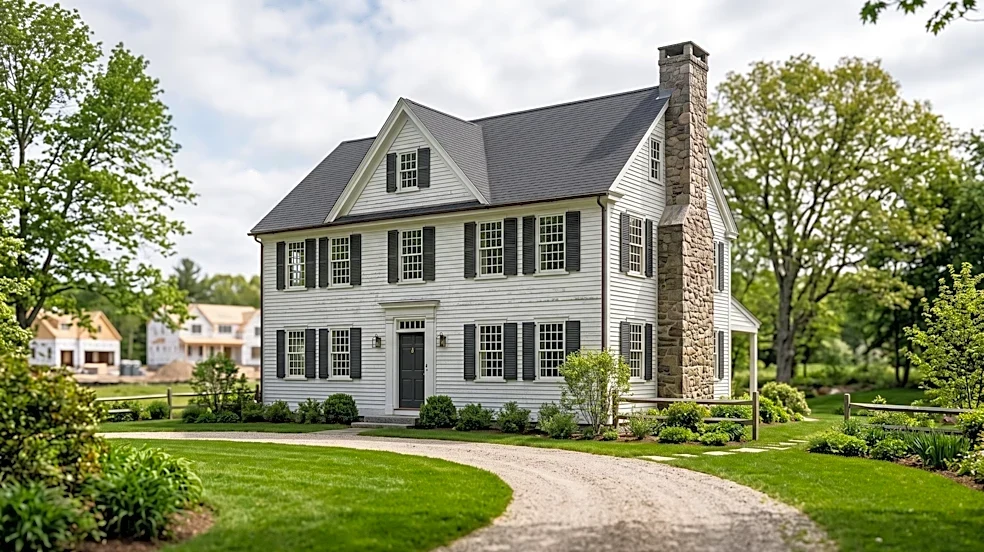
The Swampscott Planning Board has granted conditional approval for a 140-unit residential development, which includes the preservation of the historic General John Glover farmhouse. The proposal by Glover LLC involves constructing 96 residential units
in Swampscott and 44 in Marblehead. The unanimous vote on Monday came after years of proposals, revisions, and debates, with the approval contingent on further review of the project's geotechnical study by the Department of Public Works engineer and the resolution of any identified deficiencies. Developers, represented by Spencer Cassell, stated they had addressed previous concerns by submitting updated engineering reports, architectural plans, and traffic studies. However, Planning Board Chair Joe Sheridan noted that updated plans and traffic reports were submitted late, leaving limited time for review by board members and town staff. Senior Planner Christa McGaha indicated that the Department of Public Works requested additional time to evaluate stormwater, geotechnical reports, and civil engineering plans, also recommending an independent peer review of the traffic study.
Why It's Important?
This decision is significant for Swampscott and Marblehead as it moves forward a substantial residential development while attempting to preserve a key historical landmark. The project aims to address housing needs in the area, but it also highlights ongoing tensions between development interests and community concerns, particularly regarding traffic and infrastructure. The conditional approval underscores the complexity of balancing urban development with historical preservation and environmental considerations. The debate over the traffic study, with Swampscott Police traffic officer Kevin Reen questioning its adequacy and Planning Board member Angela Ippolito expressing skepticism about traffic analyses, reveals a common challenge in urban planning: how to accurately assess and mitigate the impact of new developments on existing infrastructure and quality of life. The involvement of preservation advocates, such as Nancy Schultz from Save the Glover Inc. and the Swampscott Historical Commission, emphasizes the community's desire to protect historical assets while accommodating growth.
What's Next?
The project's progression is now dependent on several conditions. The developer must connect the farmhouse parking area to the main surface parking lot of the development and implement the recommendations from its traffic study. Crucially, any material adverse impacts identified by the Department of Public Works during its review of the engineering plans must be addressed. The access to the historic farmhouse will be relocated from its proposed curb cut near the Salem Street intersection to the development’s planned emergency access on Vinnin Street, which will become a full-time entrance and right-turn-only exit. The future operation of the General John Glover farmhouse remains to be determined, though discussions with preservation advocates are ongoing to identify a permanent operator, potentially a museum, historical society, preservation organization, or municipality. The developer will need to work closely with town officials to satisfy all conditions before construction can fully proceed.
Beyond the Headlines
The conditional approval of the Glover property development reflects a broader national trend of communities grappling with housing shortages and the preservation of historical sites. The case illustrates the intricate process of urban planning, where economic development, historical conservation, and community concerns often intersect. The late submission of critical documents and the subsequent calls for further review highlight potential systemic issues in the planning approval process, where stakeholders may feel pressured by tight deadlines. The emphasis on preserving the General John Glover farmhouse, a piece of Revolutionary War history, underscores the cultural value placed on historical landmarks even amidst modern development pressures. This project could serve as a model, or a cautionary tale, for other communities facing similar challenges, demonstrating the importance of thorough review, community engagement, and adaptive solutions in balancing progress with heritage.