
What's Happening?
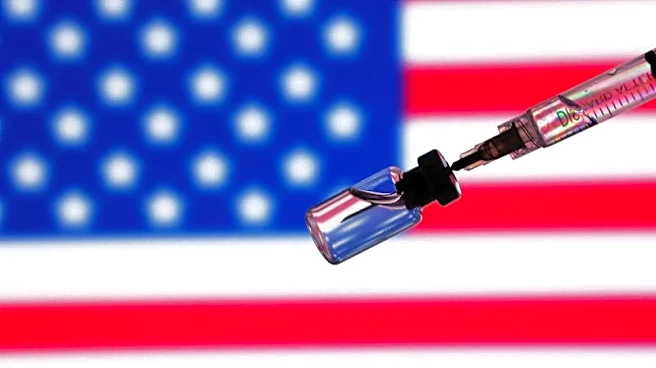
The development of an HIV vaccine, which has long eluded scientists, is facing significant challenges due to funding cuts by the U.S. government. Researchers have been hopeful about using mRNA technology,
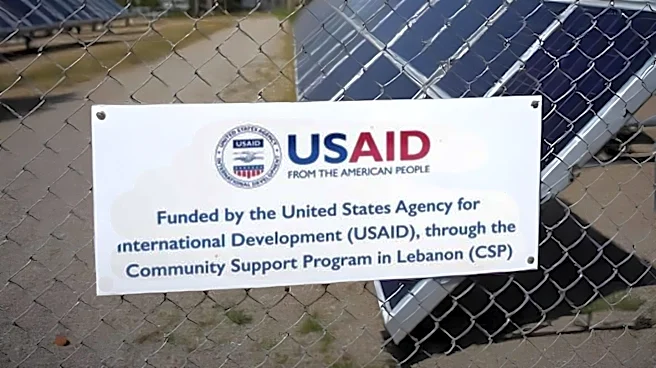
which was successful in COVID-19 vaccines, to develop an HIV vaccine. However, the Trump administration's decision to freeze foreign aid and cut funding from the U.S. Agency for International Development (USAID) has jeopardized these efforts. The funding cuts have halted clinical trials and affected the global investment in HIV vaccine research, which has historically been heavily supported by the U.S. government.
Why It's Important?
The potential development of an HIV vaccine using mRNA technology represents a significant scientific breakthrough, offering hope for controlling a virus that has claimed millions of lives. However, the withdrawal of U.S. funding threatens to stall this progress at a critical juncture. The cuts not only impact the scientific community but also have broader implications for global health, as the U.S. has been a major contributor to HIV research funding. The situation underscores the importance of sustained investment in scientific research and the potential consequences of political decisions on public health initiatives.
What's Next?
Researchers are seeking alternative funding sources to continue their work on the HIV vaccine. Philanthropic organizations and other governments are stepping in to fill the gap, but the scale of U.S. funding is difficult to replace. The scientific community remains committed to advancing the research, but the timeline for developing an effective vaccine may be delayed. The situation highlights the need for stable and reliable funding to ensure that scientific advancements are not hindered by political changes.