






What's Happening?
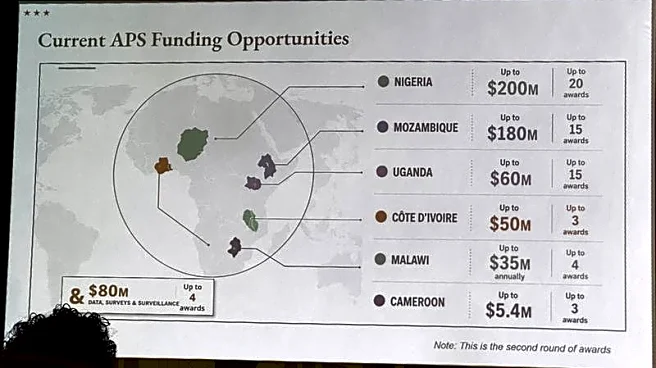
During a global conference in Brazil, the U.S. State Department presented a map of Africa that incorrectly labeled every country, causing significant confusion among attendees. The map was displayed during a presentation on new health agreements at the AIDS
2026 conference in Rio de Janeiro. The map, which contained an artificial intelligence watermark indicating it was created using OpenAI tools, showed countries like Nigeria and Mozambique in incorrect locations. The State Department has taken full responsibility for the error, attributing it to a last-minute change in the presentation slides. Despite the map mishap, the State Department emphasized that the discussions at the conference were constructive and reaffirmed its commitment to fighting AIDS.
Why It's Important?
The incident highlights the potential pitfalls of relying on artificial intelligence tools without adequate oversight, especially in sensitive diplomatic contexts. Mislabeling countries on a map can damage diplomatic relations and undermine the credibility of U.S. initiatives abroad. The error also underscores the importance of accuracy in international presentations, as such mistakes can overshadow substantive discussions and efforts, such as those related to the President’s Emergency Plan for AIDS Relief (PEPFAR). The U.S. government’s commitment to global health initiatives is crucial, and errors like this could impact the perception and effectiveness of these programs.
What's Next?
The State Department may need to review its processes for preparing and approving presentation materials to prevent similar incidents in the future. There could be increased scrutiny on the use of AI tools in government presentations, prompting a reassessment of how these technologies are integrated into official communications. Additionally, the U.S. may need to engage in diplomatic efforts to reassure African partners of its commitment to accurate representation and effective collaboration in health initiatives.