



What's Happening?
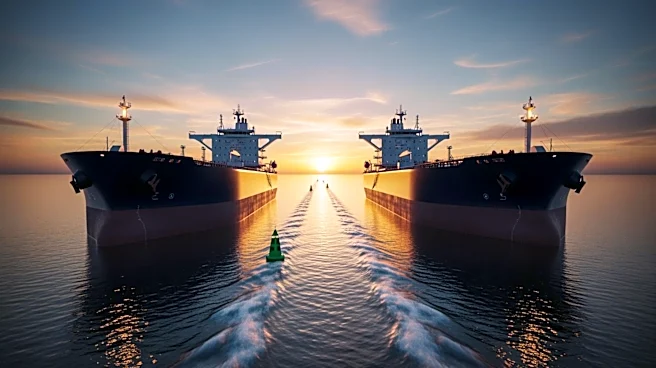
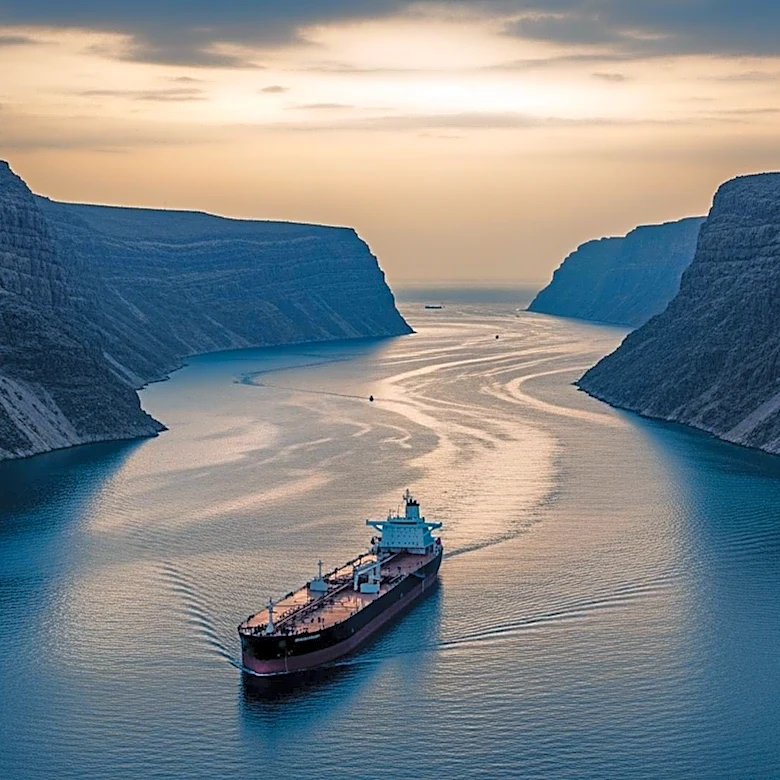
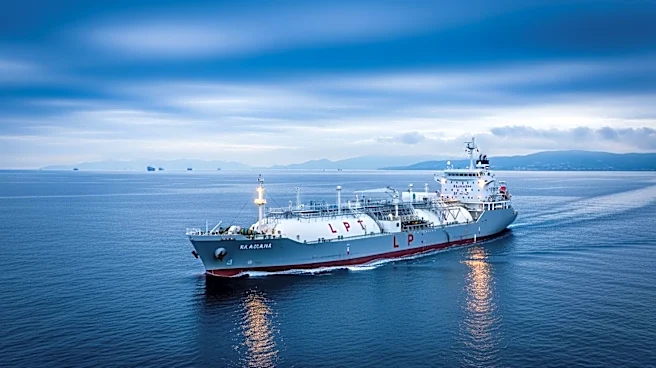
Commodities trader Glencore and Taiwan's state refiner CPC have chartered tankers to load Middle Eastern crude for Asia following a ceasefire in the U.S.-Iran conflict. The Strait of Hormuz, a critical passage for global oil and LNG shipments, had been
nearly shut down due to the six-week conflict, causing a spike in global energy prices. The ceasefire allows for the resumption of shipping through the strait, which is vital for Asian refiners who depend on the Middle East for over half of their crude and naphtha supplies. Taiwan's Economy Minister Kung Ming-hsin announced that CPC has booked a tanker to transport 2 million barrels of oil, which would provide Taiwan with an additional half month of supply. The rush to book tankers has led to increased shipping rates, with Glencore chartering a VLCC at a high freight rate. Middle Eastern oil producers are preparing to restore exports as the strait reopens.
Why It's Important?
The reopening of the Strait of Hormuz is crucial for stabilizing global energy markets, which have been disrupted by the conflict. The strait is a strategic chokepoint for oil and LNG shipments, and its closure had significant implications for energy prices worldwide. The resumption of shipping activities is expected to ease supply constraints and help stabilize prices. However, the elevated shipping rates due to increased demand and war risk premiums could continue to impact the cost of oil transportation. The situation highlights the vulnerability of global energy supply chains to geopolitical tensions and the importance of securing alternative routes and sources of energy.
What's Next?
As the ceasefire holds, shipping activities through the Strait of Hormuz are expected to increase, with more tankers being chartered to transport crude oil to Asia. However, shippers remain cautious, seeking clarity on the ceasefire terms and Iran's conditions for transit. The situation may lead to further diplomatic negotiations to ensure the safe passage of vessels. Additionally, countries may continue to explore alternative energy sources and routes to mitigate the risks associated with reliance on the strait. The ongoing geopolitical dynamics in the region will likely influence future energy policies and strategies.