


What's Happening?
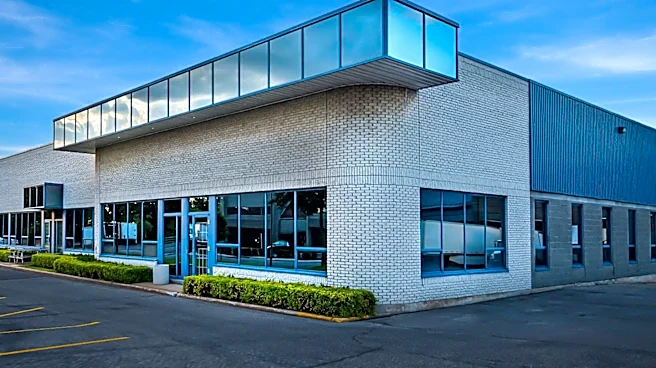
The National Bio and Agro-Defense Facility (NBAF) in Manhattan, Kansas, a $1.25 billion research center designed for high-level animal disease science, is not fully operational, according to a July report from the Office of Inspector General (OIG). The report states
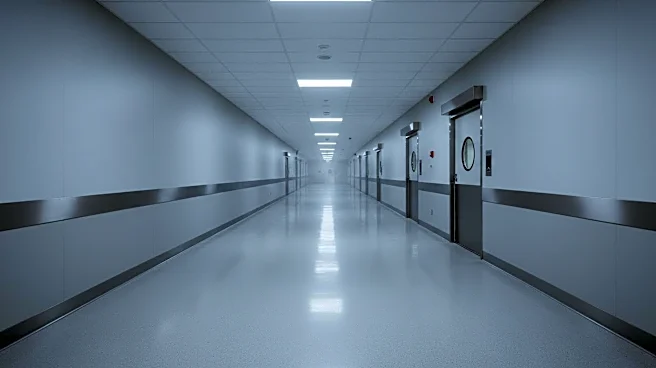
that the facility was not appropriately configured by the U.S. Department of Homeland Security (DHS) before its transfer to the U.S. Department of Agriculture (USDA) in February 2024. The USDA accepted the facility without a complete commissioning report, leading to an additional $75.8 million in costs for the USDA to address unaddressed issues. The OIG report identified several deficiencies, including air supply continuity problems, issues with sealing rooms, and a lack of gates to prevent animal movement. While NBAF is operating its Biosafety Level (BSL)-1 and BSL-2 labs, the critical BSL-3 and BSL-4 labs, designed for handling the most dangerous animal diseases, are not yet operational. The USDA anticipates the BSL-3 lab will be operational by the end of 2026 but has not set a date for the BSL-4 lab.
Why It's Important?
The delayed full operation of NBAF has significant implications for U.S. biodefense and agricultural security. NBAF was intended to replace the Plum Island Animal Disease Center, which was considered the nation's primary defense against the accidental or intentional introduction of animal diseases. The inability of NBAF to perform high-level animal disease research means a critical gap in the nation's capacity to study and respond to emerging and highly dangerous animal pathogens. This could leave the U.S. vulnerable to outbreaks that could devastate livestock industries, impact food supply chains, and potentially pose zoonotic threats to human health. The substantial cost overruns and the need for further repairs also raise concerns about government project management, oversight, and the efficient allocation of taxpayer funds for critical national security infrastructure. The delay affects not only research capabilities but also the economic impact expected from the facility, including job creation and regional development.
What's Next?
The USDA has committed to making the BSL-3 lab operational by the end of 2026, indicating that efforts to rectify the identified deficiencies are underway. The OIG report recommended multiple steps, including repairs, upgrades to animal housing, and completing the commissioning process for handling dangerous diseases. The USDA will likely continue to incur additional costs to bring the facility to full operational status, particularly for the BSL-4 lab, for which no opening date has been set. Further oversight from the OIG and Congress can be expected to ensure that the USDA addresses these issues effectively and transparently. The delay in NBAF's full functionality will also likely prompt continued reliance on existing, potentially less advanced, research facilities or international collaborations to manage immediate animal disease threats until NBAF is fully capable.
Beyond the Headlines
The challenges faced by NBAF underscore the complexities and inherent risks in developing high-containment biological research facilities. The incident highlights the critical importance of thorough commissioning processes and robust oversight, especially when dealing with projects of national strategic importance and significant financial investment. Beyond the immediate operational issues, the delay could erode public trust in government agencies' ability to manage large-scale scientific infrastructure projects effectively. It also brings to the forefront the ongoing need for continuous investment and meticulous planning in biodefense infrastructure to safeguard both agricultural economies and public health against evolving biological threats. The situation may also lead to a re-evaluation of the transfer protocols for such sensitive facilities between federal agencies.