







What's Happening?
The WVU Heart and Vascular Institute is commemorating ten years of providing advanced cardiovascular care to West Virginians. Physicians gathered to reflect on the institute's growth and future direction. Since its inception, a primary goal has been to ensure
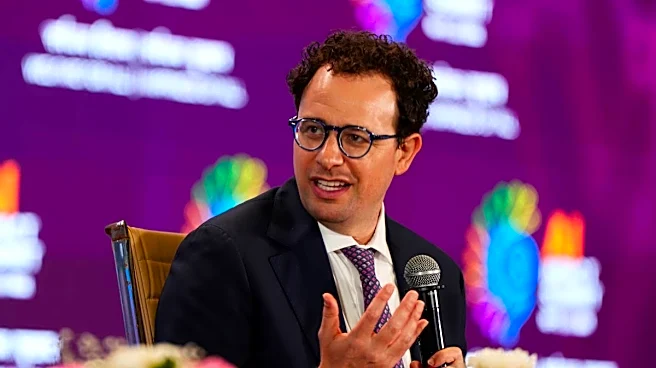
residents do not need to leave the state for specialized heart care. The institute now offers a comprehensive range of services, from preventive heart care to complex procedures like heart transplants and advanced robotic heart surgery. Over the past decade, the institute has recorded more than 2.5 million patient visits, significantly expanding its capabilities and reach within the state. Albert Wright, president and CEO of WVU Health System, emphasized the institute's dual mission: to improve the health trajectory of West Virginia and to fulfill the teaching objectives of West Virginia University by providing care within the state.
Why It's Important?
The WVU Heart and Vascular Institute's decade of operation is crucial for West Virginia's healthcare landscape. By offering specialized cardiovascular services within the state, it addresses a critical need, preventing residents from having to travel elsewhere for essential medical care. This local access to advanced treatments, including heart transplants and robotic surgery, directly impacts the quality of life and health outcomes for countless individuals. The institute's focus on both treatment and prevention, as highlighted by its leaders, has the potential to improve West Virginia's overall health rankings. The 2.5 million patient visits underscore the significant demand for these services and the institute's role in meeting that demand, contributing to the state's public health infrastructure and reducing the burden of cardiovascular disease.
What's Next?
Looking ahead, the WVU Heart and Vascular Institute plans to intensify its focus on preventive care, screening, and education. This strategic shift aims to reach patients earlier, before heart problems escalate, thereby improving health outcomes and potentially elevating West Virginia's health rankings. The institute also intends to continue expanding access to care across the state, ensuring more residents can benefit from its services. Executive Chair Dr. Vinay Badhwar emphasized that these advancements are not just about medical procedures but about enabling life-changing moments for patients and their families. The commitment to both advanced treatment and proactive prevention suggests a comprehensive approach to cardiovascular health for the next decade.
Beyond the Headlines
The success of the WVU Heart and Vascular Institute extends beyond medical statistics, touching upon deeper societal and economic implications for West Virginia. By retaining specialized medical care within the state, it not only improves health but also strengthens the local economy by creating jobs and fostering medical innovation. The institute's role in fulfilling the teaching objectives of West Virginia University also contributes to the development of future healthcare professionals, creating a sustainable pipeline of talent. The emphasis on preventive care signifies a broader public health strategy that could lead to long-term reductions in healthcare costs and an overall healthier population, fostering a more robust and productive workforce. This localized, comprehensive approach to healthcare can serve as a model for other regions facing similar challenges in specialized medical access.