







What's Happening?
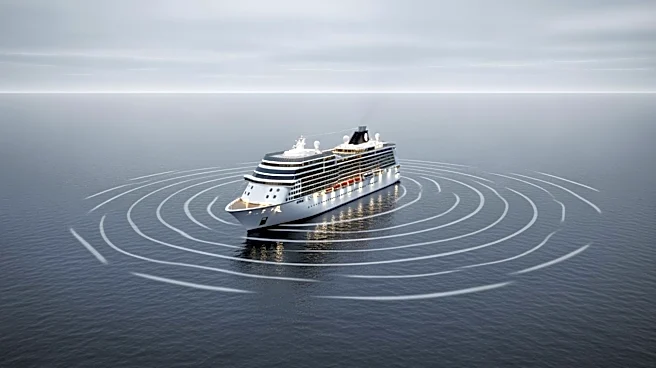
A deadly hantavirus outbreak linked to the expedition cruise ship MV Hondius has prompted an international public health investigation. The outbreak, which occurred during a South Atlantic voyage, resulted in the deaths of at least three passengers and
illness in others. The virus involved is the Andes strain, a rare hantavirus known for its potential to spread between people through close contact. This strain's ability to transmit from human to human is unusual compared to other hantaviruses, which typically spread through contact with infected rodents. The outbreak has led to increased monitoring and tracking of passengers by health officials in several countries.
Why It's Important?
The outbreak highlights the potential for zoonotic diseases to spread in confined environments like cruise ships, where close contact can facilitate transmission. The Andes virus, while not as contagious as airborne viruses like measles or SARS-CoV-2, poses a significant risk in such settings. This incident underscores the need for stringent public health measures and sanitation practices to prevent similar outbreaks. It also raises awareness about the risks of hantavirus transmission beyond rural areas, where rodent-human contact is more common. The cruise industry and public health agencies may need to reassess their protocols to better prevent and respond to future zoonotic disease events.
What's Next?
Health authorities are likely to continue monitoring the situation closely, tracking passengers who were on the cruise to prevent further spread. The cruise industry may implement stricter health and safety measures to mitigate the risk of future outbreaks. Public health agencies might also increase efforts to educate the public about hantavirus risks and prevention strategies, particularly in travel and hospitality settings. Research into vaccines and treatments for hantaviruses, including the Andes strain, may gain renewed focus as a result of this outbreak.