








What's Happening?
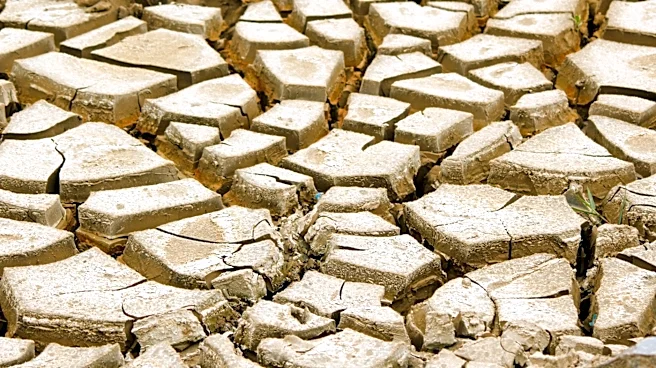
Pakistan is experiencing a significant reduction in mango production due to severe heatwaves, with estimates suggesting a 20% decrease from the average annual production of 1.9 million tons. The adverse weather conditions, including high temperatures
and sporadic windstorms, have affected the flowering and fruit-setting stages, leading to increased fruit drop. This situation is compounded by the potential influence of the El Niño phenomenon, which could further disrupt weather patterns. The decline in production is expected to impact export volumes, with Pakistan revising its mango export target down to 80,000 tons from 110,000 tons last year.
Why It's Important?
The reduction in mango production in Pakistan has significant implications for U.S. importers and consumers. Mangoes are a popular fruit in the U.S., and a decrease in supply could lead to higher prices and reduced availability. This situation highlights the vulnerability of global food supply chains to climate change and extreme weather events. For U.S. businesses relying on mango imports, this could mean adjusting supply strategies and exploring alternative sources. Additionally, it underscores the need for international cooperation in addressing climate change to mitigate its impact on agriculture and food security.