


What's Happening?
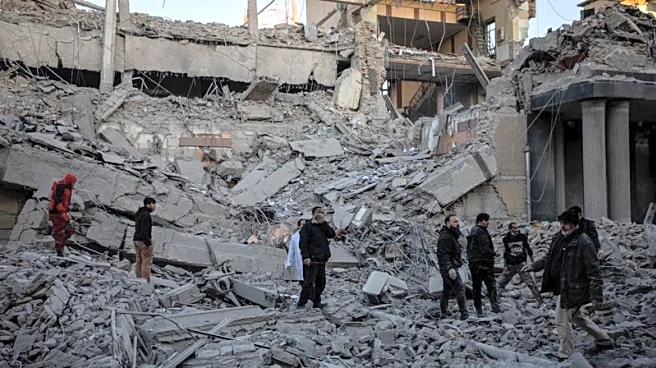
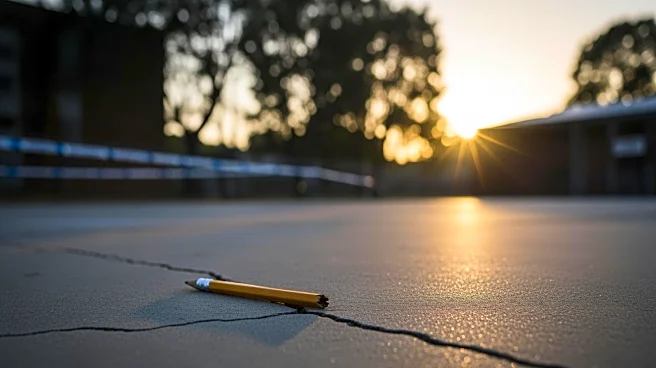
The United Nations and various human rights organizations have called for a thorough investigation into a missile strike on the Shajareh Tayyebeh all-girls elementary school in Iran, which resulted in the deaths of at least 175 people. The attack, suspected
to be part of U.S. or Israeli military operations, has drawn international condemnation. The International Federation for Human Rights and UNESCO have labeled the attack a war crime, urging for accountability and a transparent investigation. The Trump administration has not confirmed responsibility for the strike, and the Pentagon is currently reviewing the incident without committing to a formal investigation.
Why It's Important?
The attack on the Iranian school has significant implications for international relations and human rights. It highlights the potential for civilian casualties in military operations and raises questions about compliance with international humanitarian law. The incident could strain U.S. relations with international bodies and human rights organizations, potentially impacting diplomatic efforts and military strategies. The call for accountability underscores the importance of adhering to international law and the potential consequences of military actions that result in civilian harm.
What's Next?
The Pentagon's review of the incident may lead to further investigations, but the lack of a formal commitment raises concerns about accountability. Human rights organizations are likely to continue pressing for transparency and justice. The international community may increase pressure on the U.S. and Israel to adhere to international law, potentially influencing future military operations. The situation could also affect U.S. domestic and foreign policy, particularly regarding military engagement and human rights considerations.