




What's Happening?
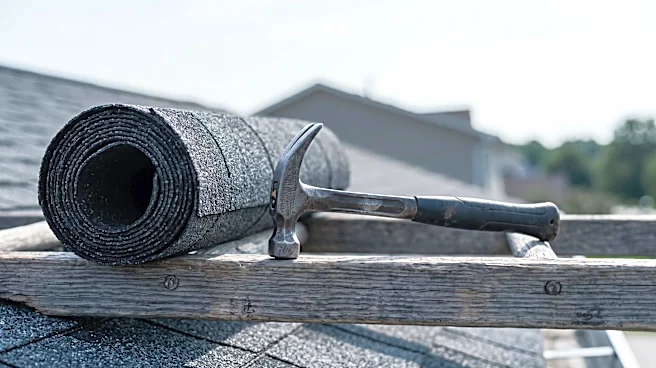
The New Jersey Department of Labor and Workforce Development (NJDOL) issued stop-work orders on October 21, 2026, to two Texas-based contractors, Joli Roofing Specialists LLC of Keller, Texas, and Jose A. Roman of Irving, Texas. These subcontractors were
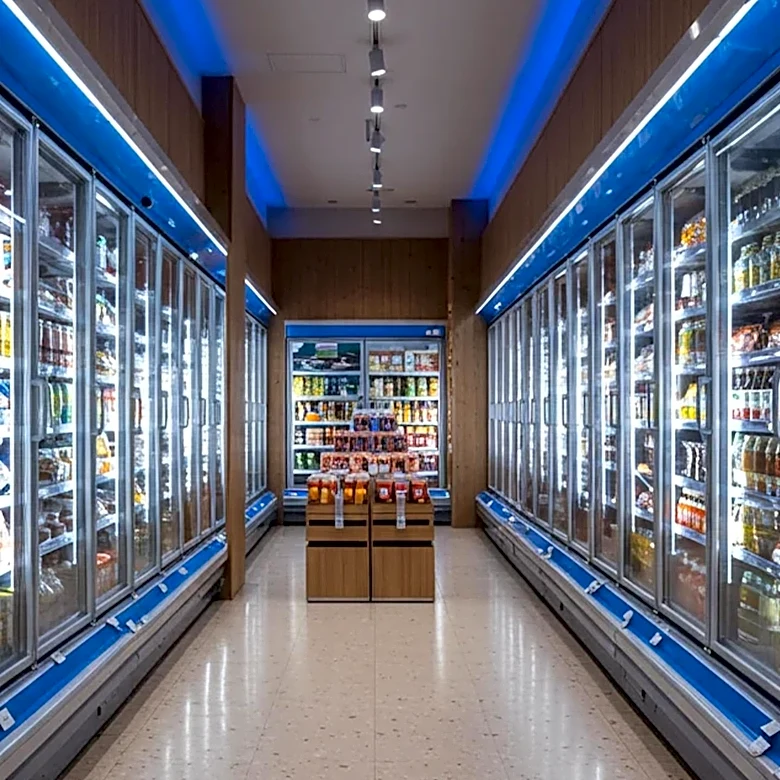
engaged in roof installation at an ACME Markets store located at 100 Black Horse Pike in Audubon, N.J., having been hired by the primary contractor, Gorman Roofing Services of Phoenix, Ariz. The NJDOL's Division of Wage and Hour Compliance initiated these orders due to multiple violations, including improper classification/misclassification of construction workers, failure to properly classify employees, failure to pay overtime rates, unpaid wages/late payment, and violations related to earned sick leave records and notice/posting requirements. Ten workers were affected by these violations. Assistant Commissioner for Wage and Hour Compliance Joseph Petrecca emphasized that companies, regardless of their headquarters, must comply with New Jersey's labor standards.
Why It's Important?
This action by the NJDOL underscores New Jersey's commitment to enforcing its labor laws and protecting workers from exploitation, particularly when out-of-state contractors are involved. The issuance of stop-work orders serves as a significant deterrent against companies attempting to circumvent state regulations, which can lead to unfair competition for compliant businesses and detrimental working conditions for employees. Misclassification of workers, for instance, can deprive individuals of crucial benefits like overtime pay, sick leave, and unemployment insurance, while also impacting state tax revenues. The NJDOL's ability to assess civil penalties of $5,000 per day against non-compliant employers highlights the financial risks associated with violating labor standards. This case sends a clear message that New Jersey will actively monitor and penalize businesses that fail to adhere to its worker protection statutes, ensuring a more equitable labor market.
What's Next?
The stop-work orders issued by the NJDOL will remain in effect until all outstanding back wages and penalties are paid, and all related issues are resolved. Employers have the right to appeal a stop-work order, in which case the NJDOL is required to schedule a hearing within seven days. The department will continue to monitor the locations where these orders have been issued to ensure compliance. This incident may lead to increased scrutiny of out-of-state contractors operating within New Jersey, potentially resulting in more frequent inspections and enforcement actions. The NJDOL's ongoing efforts to enforce labor laws aim to ensure that all workers in the state receive fair treatment and proper compensation, and that businesses operate on a level playing field, adhering to established labor standards.
Beyond the Headlines
The enforcement action against these Texas contractors highlights a broader challenge in the construction industry: the misclassification of workers. This practice, often used to reduce labor costs, can have far-reaching implications beyond individual workers' rights, affecting the integrity of the labor market and the state's economic health. When workers are misclassified as independent contractors instead of employees, businesses avoid paying payroll taxes, unemployment insurance, and workers' compensation premiums, creating an unfair advantage over compliant companies. This also deprives the state of significant tax revenue. The NJDOL's aggressive stance reflects a growing national trend among states to combat worker misclassification, recognizing its negative impact on both workers and the broader economy. This case serves as a reminder of the complex interplay between state regulations, interstate commerce, and worker protections.