



What's Happening?
Iran is facing significant fuel shortages, characterized by long queues at gas stations and empty pumps, prompting public protests. Esmail Saghab Esfahani, a vice president heading the state energy efficiency agency, acknowledged a "supply problem" and advised
citizens to conserve their monthly fuel rations. He stated that the government has distributed all available gasoline and has no reserves. Residents in Bandar Abbas protested by blocking roads due to the lack of fuel. The economic argument for increasing fuel prices is being debated as a potential solution to curb smuggling, given the significant price disparity between domestic and international fuel markets. However, the government has been hesitant to raise prices due to past protests, such as the 'Bloody November' events in 2019, which saw widespread unrest after a substantial price hike. Instead of direct price increases, the government is implementing measures to cut access, such as withdrawing station emergency fuel cards in border provinces where smuggling is prevalent.
Why It's Important?
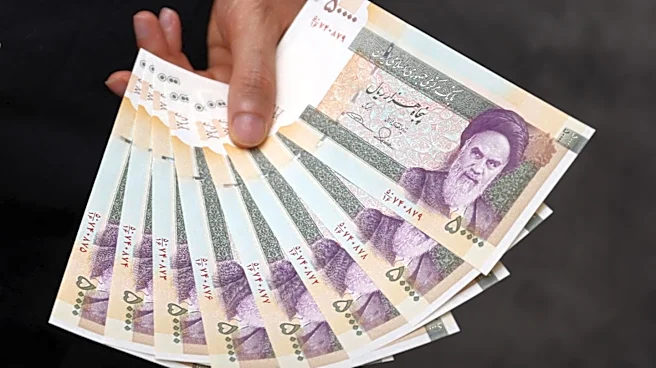
The fuel crisis in Iran has significant economic and social implications. The shortages disrupt daily life, impacting transportation, commerce, and public morale, as evidenced by protests. The government's dilemma between raising prices to combat smuggling and avoiding social unrest highlights a delicate balance. Subsidized fuel, while intended to support citizens, creates a lucrative incentive for smuggling, draining national resources and exacerbating domestic supply issues. The withdrawal of station fuel cards in border regions aims to tackle smuggling but could inadvertently penalize legitimate users and further strain fuel access. This situation reflects broader economic challenges, including inflation and the depreciating rial, which make domestic fuel incredibly cheap compared to international prices, fueling the smuggling problem. The crisis also underscores the impact of international sanctions and regional conflicts on Iran's ability to import and refine fuel.
What's Next?
The Iranian government is likely to continue its strategy of restricting fuel access rather than implementing broad price increases, given the historical context of public backlash. The phased withdrawal of station fuel cards across provinces is expected to continue, potentially leading to further localized protests and increased inconvenience for citizens. Officials will likely monitor the effectiveness of these measures in curbing smuggling while trying to manage public discontent. The debate over fuel pricing and its impact on smuggling will persist within government circles, with security and economic bodies weighing in on future policy decisions. The long-term solution may involve a gradual adjustment of fuel prices, coupled with enhanced border controls and efforts to increase domestic refining capacity, though any significant price hike remains a politically sensitive issue.
Beyond the Headlines
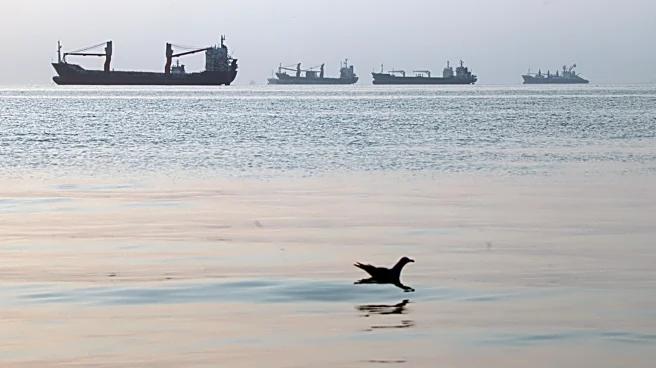
The fuel crisis in Iran reveals deeper systemic issues beyond mere supply and demand. The extensive fuel smuggling operation points to significant economic disparities and the potential for corruption, as well as the desperation of individuals seeking economic opportunities. The government's cautious approach to price adjustments, driven by the memory of past violent crackdowns on protests, highlights the fragility of social stability and the public's low tolerance for economic hardship. This situation also reflects the broader impact of international pressures, such as sanctions and naval blockades, which hinder Iran's ability to import necessary fuel and maintain its refining infrastructure. The crisis thus becomes a complex interplay of economic policy, social contract, national security, and international relations, with profound implications for the country's future stability and its citizens' well-being.