






What's Happening?
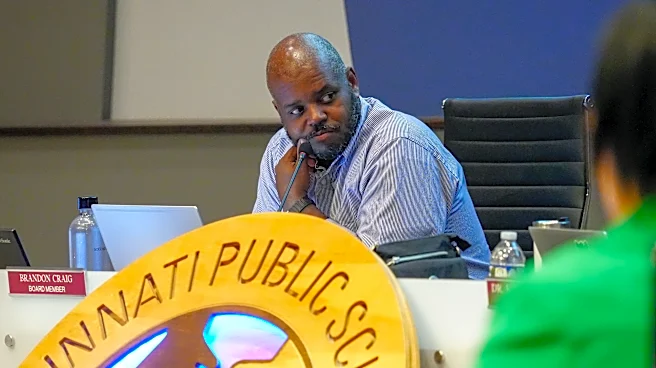
The Glendale Elementary School District is evaluating the possibility of closing some of its schools due to a decline in student enrollment. During a recent special session of the governing board, Superintendent Cindy Segotta-Jones highlighted the need
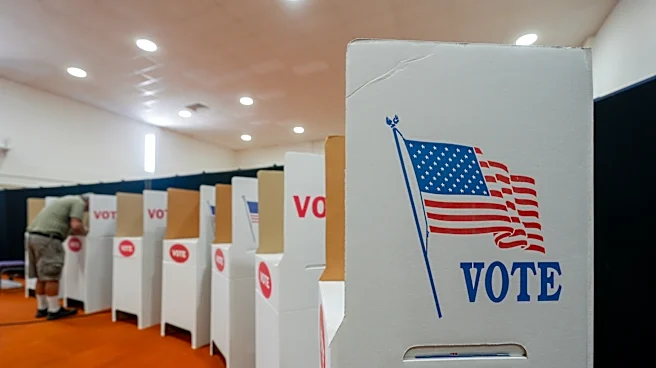
to consider consolidating schools that are operating below capacity to improve operational efficiencies and redirect resources towards student achievement. Currently, the district operates 12 schools, with enrollment numbers ranging from 400 to 900 students. Projections indicate that by 2035, only three schools will have over 600 students, while the rest will have between 300 and 500 students. The district is also facing a potential $13 million to $14 million revenue loss over the next decade due to declining enrollment, which is tied to state education funding. Additionally, a ballot measure requiring districts in Maricopa and Pinal counties to allocate at least 60% of their budget to classroom instruction could further impact financial decisions.
Why It's Important?
The potential school closures in Glendale reflect a broader trend of declining enrollment affecting public school districts across the Valley. This situation underscores the challenges faced by educational institutions in maintaining financial sustainability while ensuring quality education. The financial implications are significant, as state funding is directly linked to student numbers. The district's decision could set a precedent for other districts facing similar issues, highlighting the need for strategic planning in resource allocation. The proposed ballot measure adds another layer of complexity, as it could force districts to re-evaluate their spending priorities, potentially leading to more closures or consolidations.
What's Next?
Recommendations for school closures in the Glendale Elementary School District are expected by January 2027, with potential closures occurring before the 2027-28 school year. The district will need to carefully consider the impact of these closures on the community and ensure that any decisions made prioritize student safety and educational quality. Stakeholders, including parents, teachers, and local government officials, are likely to be involved in discussions to address concerns and explore alternative solutions. The outcome of the November ballot measure will also play a crucial role in shaping the district's financial strategy moving forward.