


What's Happening?
Pakistan's Prime Minister Shehbaz Sharif announced that Lebanon, including Hezbollah, would be part of the ceasefire agreement between the U.S., Israel, and Iran. This announcement followed speculation and reports from Lebanese sources suggesting Hezbollah's
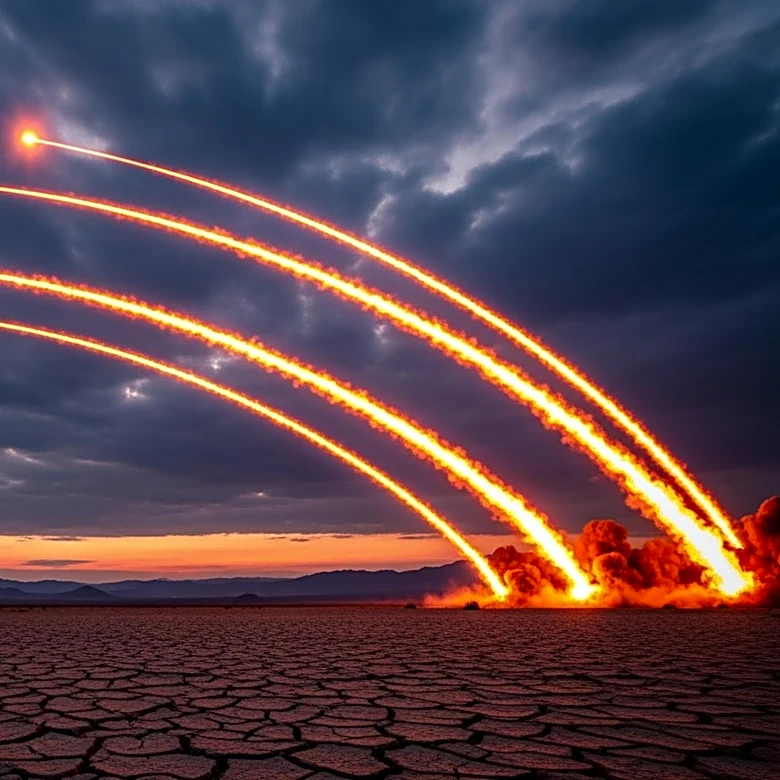
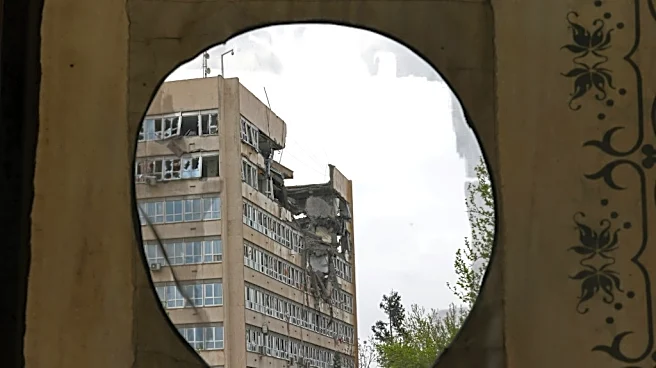
inclusion. Iran's initial ceasefire proposal demanded Israel halt strikes on Hezbollah in Lebanon. However, Israeli Prime Minister Benjamin Netanyahu refuted these claims, stating that Lebanon was not included in the ceasefire. Prior to the ceasefire announcement, the IDF issued evacuation warnings for Lebanese residents as it prepared for potential strikes against Hezbollah, indicating ongoing military tensions.
Why It's Important?
The inclusion of Hezbollah in the ceasefire agreement is a contentious issue, reflecting the broader geopolitical complexities in the region. Hezbollah's involvement in the conflict has been a significant point of tension, with Israel viewing the group as a major threat. The conflicting announcements from Pakistan and Israel highlight the challenges in achieving a comprehensive and enforceable ceasefire. The situation underscores the fragile nature of peace efforts in the region and the potential for further escalation if key parties are not aligned.
What's Next?
The immediate future will likely involve diplomatic efforts to clarify the terms of the ceasefire and address the discrepancies between the announcements from Pakistan and Israel. The international community, particularly the U.S. and regional allies, will need to engage in dialogue to ensure that all parties adhere to the ceasefire terms. The potential for military action remains if the ceasefire does not hold, particularly with the IDF's readiness to strike Hezbollah if necessary.