




What's Happening?
A medical team from the Toledo area is preparing for its eighth mission trip to western Ukraine. This group, consisting of local doctors, students, and volunteers, will depart on September 12 and return on September 20. Their objective is to provide medical care
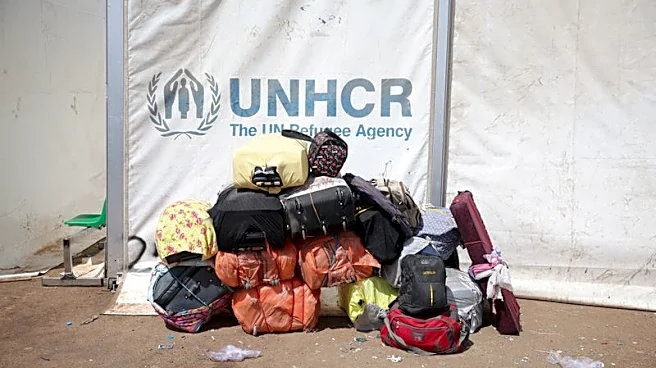
amidst the ongoing crisis in the region. On previous missions, the team has treated nearly 2,400 patients, addressing a wide range of health issues from everyday problems to emergencies. Dr. Richard Patt of St. Luke’s Mercy Hospital and a UT professor, highlighted the persistent and significant needs in Ukraine, noting that they treat refugees from war zones and wounded veterans. The team, operating under the Special Commission on Relief and Education (SCORE), collaborates with Hungarian Baptist Aid and the Transcarpathian Baptist Foundation. Members of UT’s Students for Medical Missions organization assisted in packing supplies for the upcoming trip. The eight-person team includes five doctors, a pharmacist, a dentist, and an interpreter, ready to handle diverse medical situations such as emergency baby deliveries, suturing, medication replacement, and conditions like PTSD, depression, anxiety, and hypertension. Each team member will carry two 50-pound suitcases filled with supplies, including medications from Mercy Health and health kits assembled by children at Saint Rose School.
Why It's Important?
This ongoing medical mission from Toledo underscores the sustained humanitarian effort required to address the health crisis in Ukraine, highlighting the critical role that U.S. communities and medical professionals play in international aid. The repeated deployments demonstrate a long-term commitment to alleviating suffering in a conflict zone, providing essential medical services that local infrastructure may struggle to deliver. The involvement of students and volunteers also fosters a sense of global responsibility and provides invaluable experience for future healthcare professionals. The diverse range of conditions treated, from physical injuries to mental health issues like PTSD, reflects the comprehensive impact of conflict on a population and the necessity of holistic care. Furthermore, the collaboration between U.S. medical teams and international aid organizations like Hungarian Baptist Aid and the Transcarpathian Baptist Foundation exemplifies effective cross-border partnerships in humanitarian response, ensuring resources and expertise are channeled efficiently to those most in need. The donation of supplies from local institutions like Mercy Health and community groups like Saint Rose School children illustrates a broad-based community engagement in supporting international humanitarian causes.
What's Next?
The Toledo-area medical team is scheduled to depart for western Ukraine on September 12 and return on September 20. Upon their return, the team will likely debrief and assess the outcomes of their eighth mission, which could inform future aid strategies and resource allocation. There may be public reports or presentations detailing their experiences and the medical needs observed, potentially inspiring further community support or recruitment for subsequent missions. The ongoing partnership with Hungarian Baptist Aid and the Transcarpathian Baptist Foundation suggests continued collaboration for future humanitarian efforts, adapting to the evolving needs on the ground. The experiences gained by the students and volunteers will contribute to their professional development and may influence their long-term career paths in global health or humanitarian aid. The continued engagement of local institutions and schools in providing supplies indicates a sustained community commitment that could lead to further fundraising and donation drives to support future trips.
Beyond the Headlines
The repeated medical missions from Toledo to Ukraine highlight the enduring human cost of geopolitical conflicts, extending far beyond initial headlines. These efforts reveal the profound and long-lasting health consequences, including chronic conditions, trauma-related psychological issues, and the disruption of basic healthcare services. The dedication of medical professionals and volunteers from the U.S. reflects a moral imperative to assist vulnerable populations, transcending national borders and political divides. This sustained engagement also serves as a powerful educational tool, raising awareness within the Toledo community about global humanitarian crises and fostering empathy and civic responsibility among its citizens, particularly the younger generation involved in preparing health kits. The missions also implicitly challenge the notion that international aid is a short-term fix, demonstrating that recovery and support in conflict-affected regions require persistent, long-term commitment and adaptable strategies to address evolving needs. The personal sacrifices and risks undertaken by these medical teams underscore the deep ethical foundations of humanitarian work and the universal value placed on human life and well-being.