








What's Happening?
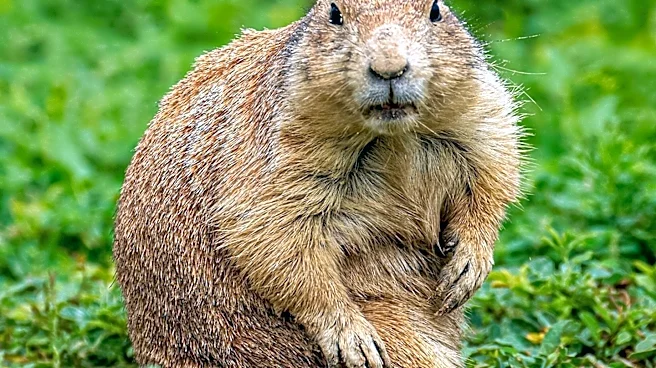
The Colorado Parks and Wildlife Commission is set to vote on whether to advance a petition to end the recreational shooting of prairie dogs on public lands. This petition, submitted by Defenders of Wildlife, an animal welfare group, raises concerns about
the mass shooting of these rodents, potential lead poisoning in scavengers, and the prairie dog's designation as a species of greatest conservation need by Colorado Parks and Wildlife (CPW) and the U.S. Fish and Wildlife Service. Prairie dogs are considered a keystone species, crucial for the survival of numerous other wildlife, including the endangered black-footed ferret, golden eagles, and badgers. Their burrows provide shelter and nesting spaces for species like burrowing owls and rattlesnakes, and their digging aerates soil and improves nutrient cycling. The current CPW regulations allow for prairie dog hunting on public lands from June 15 through February. The debate highlights a growing divide between hunting and agriculture groups, who advocate for the continuation of the practice, and wildlife welfare groups, who seek its abolition.
Why It's Important?
This decision carries significant implications for wildlife conservation, land management, and recreational activities in Colorado. Banning recreational prairie dog shooting could bolster efforts to protect a keystone species vital to the grassland ecosystem, potentially aiding the recovery of endangered species like the black-footed ferret. Conversely, continuing the practice supports traditional hunting activities and provides a method for landowners to manage prairie dog populations that can impact agricultural operations. The conflict underscores the challenge of balancing ecological preservation with economic interests and recreational freedoms. The outcome will set a precedent for how state agencies address similar disputes over wildlife management, potentially influencing policies in other states facing comparable issues. It also brings to light the ethical considerations surrounding recreational hunting, particularly when it involves species deemed critical for ecosystem health.
What's Next?
The Colorado Parks and Wildlife Commission will vote on November 4 to determine if the petition to ban recreational prairie dog shooting will advance to the formal regulatory drafting and review phase. If the petition moves forward, it will undergo a more extensive review process, including further public input and detailed analysis of its potential impacts. Regardless of the immediate outcome, the issue is likely to remain a point of contention between wildlife advocacy groups, hunting organizations, and agricultural stakeholders. The decision will influence future wildlife management strategies in Colorado and could inspire similar petitions or legislative efforts in other states where prairie dog populations and recreational hunting practices are debated. The ongoing dialogue will continue to shape the balance between conservation efforts and the rights of landowners and hunters.
Beyond the Headlines
The debate over prairie dog shooting extends beyond simple wildlife management, touching upon deeper ethical and philosophical questions about humanity's relationship with nature. The concept of a 'keystone species' highlights the intricate interconnectedness of ecosystems, where the removal or decline of one species can have cascading effects on many others. The controversy also reflects a broader societal shift in attitudes towards wildlife, moving from purely utilitarian views to a greater emphasis on ecological value and animal welfare. The discussion around lead poisoning in scavengers from bullet-ridden carcasses introduces an environmental health dimension, raising concerns about the wider impact of hunting practices. This case exemplifies the complex challenges faced by policymakers in reconciling diverse values and interests in the management of natural resources and wildlife.