


What's Happening?
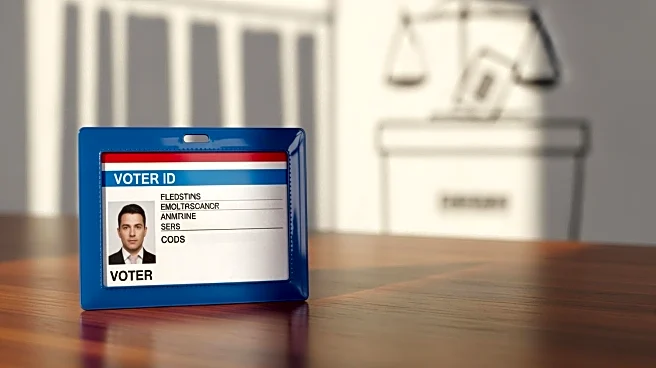
As the U.S. celebrates Presidents Day, a significant political shift is occurring with the rise of independent voters. New Mexico's decision to open its primaries to unaffiliated voters reflects a broader trend of increasing independent identification.
Gallup reports a record 45% of Americans now identify as independents, driven by dissatisfaction with traditional party politics. This shift is impacting electoral dynamics, as independents hold sway in close races and influence policy debates on issues like immigration, abortion, and economic concerns.
Why It's Important?
The growing influence of independents represents a challenge to the traditional two-party system in the U.S. As more voters identify as independents, political parties may need to adapt their strategies to appeal to this diverse group. Independents often prioritize practical issues like affordability and competence over ideological divides, which could reshape policy priorities. This trend also highlights the potential for new political movements or third-party candidates to gain traction, altering the political landscape.
What's Next?
As independents continue to grow in number, their impact on upcoming elections will be closely watched. Political parties may need to address the concerns of independents, such as economic issues and government competence, to secure their support. The trend could lead to changes in primary election processes and increased calls for political reform. The role of independents in shaping future policy and electoral outcomes will be a key focus in the coming years.