





What's Happening?
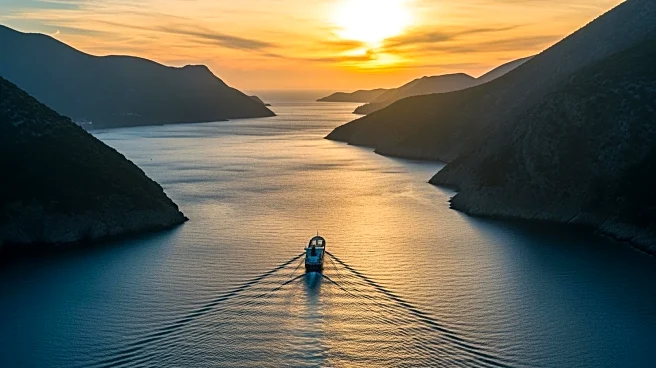
The International Energy Agency (IEA) has declared the current oil and gas crisis, triggered by the blockade of the Strait of Hormuz, as more severe than past energy shocks combined. The blockade, a result of the conflict involving Iran, has disrupted
about 20% of the world's oil and gas flow, leading to a surge in energy prices. The IEA has noted that the crisis is affecting both developed and developing nations, with the latter facing higher risks due to increased energy and food prices. The IEA member countries have begun releasing strategic reserves to mitigate the impact.
Why It's Important?
The crisis underscores the global dependency on Middle Eastern oil and the vulnerabilities associated with geopolitical tensions in the region. The disruption has significant implications for global energy markets, potentially leading to long-term shifts in energy policies and supply chains. Countries heavily reliant on oil imports are particularly at risk, facing economic challenges from rising inflation and energy costs. The situation may accelerate the transition to alternative energy sources as nations seek to reduce dependency on volatile regions.
What's Next?
The IEA and its member countries are likely to continue releasing strategic reserves to stabilize markets. However, the resolution of the conflict and reopening of the Strait of Hormuz are critical to restoring normalcy. Diplomatic efforts may intensify to resolve the blockade, but the potential for further escalation remains. The crisis may prompt countries to reassess their energy strategies, focusing on diversification and sustainability to mitigate future risks.