




What's Happening?
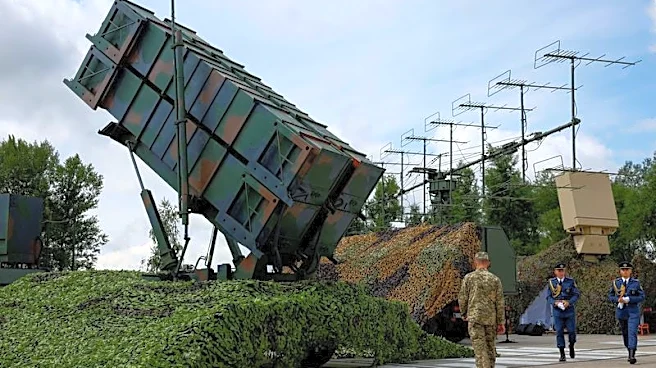
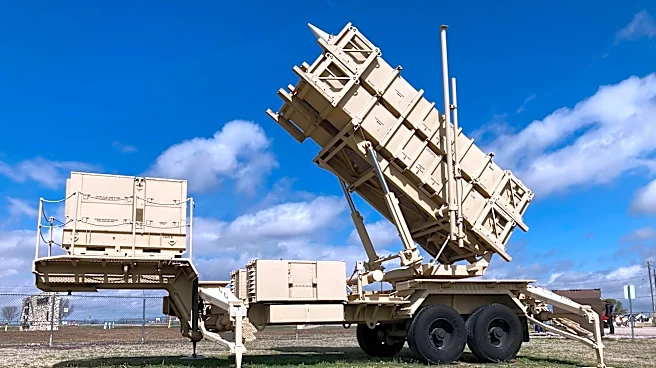
The U.S. Army is seeking to replace the Stinger missile system with a new generation of missiles to counter the growing threat of small and mid-sized drones. The Stinger, first introduced in 1981, has become less effective against modern drone threats.
The Army plans to develop the Next Generation Short Range Interceptor to address these challenges. The move comes amid ongoing conflicts in the Middle East, where Iran has launched numerous drone attacks on U.S. military bases. The Army has requested funding from Congress to support the development and procurement of the new missile system.
Why It's Important?
The replacement of the Stinger missile system highlights the evolving nature of modern warfare, where drones play a significant role. The development of the Next Generation Short Range Interceptor aims to enhance U.S. military capabilities against drone threats, which have become increasingly prevalent in conflicts worldwide. The move underscores the importance of adapting military technology to address emerging threats and maintain strategic advantages. The ongoing conflicts in the Middle East, particularly with Iran, have underscored the need for effective air defense systems to protect U.S. military assets and personnel.
What's Next?
The U.S. Army will continue to develop and test prototypes for the Next Generation Short Range Interceptor, with plans to select a contractor for production in the coming years. The Army's request for funding from Congress will be a critical factor in advancing the program. The development of the new missile system will likely involve collaboration with defense contractors and industry partners. The ongoing conflicts in the Middle East may influence the timeline and priorities for the missile system's development and deployment.