



What's Happening?
ADNOC CEO Sultan Al Jaber has described the disruption of the Strait of Hormuz as 'economic terrorism' with significant implications for global energy security. Speaking at the CERAWeek conference by S&P Global in Houston, Al Jaber highlighted the strategic
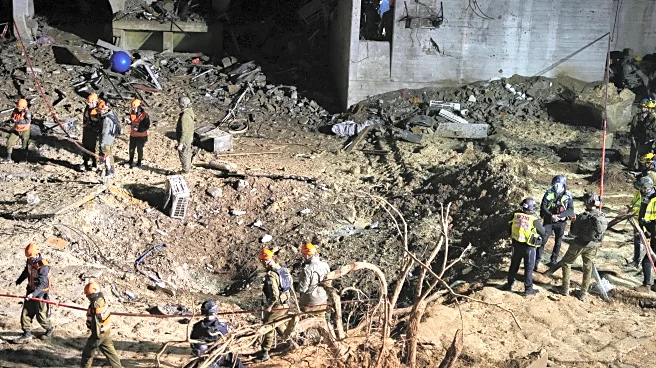
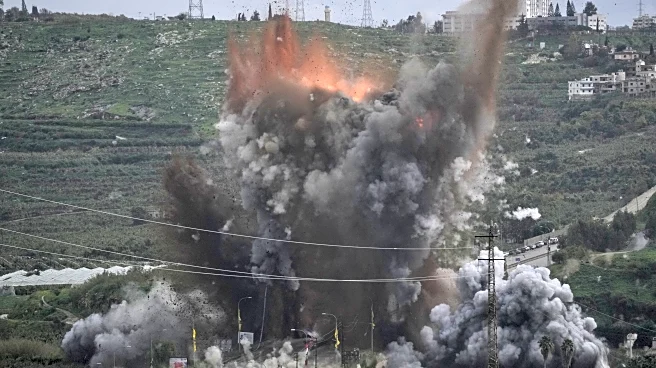
importance of the Strait of Hormuz, through which approximately 20% of the world's oil and gas flows. Recent attacks on regional energy infrastructure and commercial shipping have tightened supply routes, leading to increased oil prices. Al Jaber emphasized that the issue is not about resource availability but about secure and reliable market access. The ongoing regional conflict has affected production, storage, and export logistics across the Gulf, impacting ADNOC operations. Despite these challenges, ADNOC continues to manage output and maintain supply commitments. Saudi Arabia and other Gulf producers are rerouting crude exports toward the Red Sea due to restricted transit through Hormuz, which is causing storage constraints and logistical bottlenecks.
Why It's Important?
The disruption of the Strait of Hormuz poses a direct threat to global energy security, with potential widespread economic consequences. As a critical energy corridor, any blockage or disruption can lead to significant price volatility and impact industrial supply chains worldwide. The situation underscores the vulnerability of global energy markets to geopolitical tensions and the importance of maintaining open and secure energy corridors. The UAE's investment in infrastructure and diversification of export routes highlights the need for resilience in energy systems. The call for international coordination to safeguard supply routes is crucial to ensuring continued reliability in global oil and gas markets, which is foundational to economic stability.
What's Next?
As geopolitical tensions continue to reshape energy flows, there is a pressing need for greater international cooperation to protect critical supply routes. The UAE's ongoing investments in infrastructure, digital technologies, and diversification of export routes are steps toward enhancing system resilience. ADNOC's expansion in global energy value chains, including storage and LNG assets, reflects a strategic approach to mitigating risks associated with supply disruptions. The international community may need to engage in diplomatic efforts to address the underlying conflicts affecting the region and ensure the stability of global energy markets.