







What's Happening?
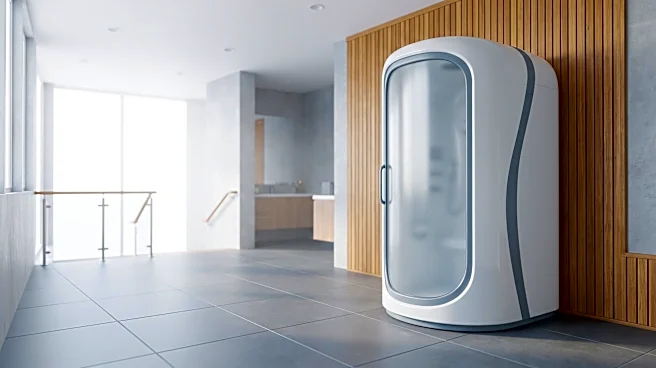
Terrance A. King, a graduate of Polk State College's Engineering Technology Program, has invented an autonomous self-bathing machine called 'Clean Box.' This enclosed bathing capsule is designed to revolutionize the cleaning process in nursing homes and
assisted living facilities. The 'Clean Box' covers a user's entire body, excluding their head, and features 10 scrubbers on the back, six on the front, and 30 water jets. Users can select from various wash cycles (quick, normal, luxury), adjust water temperature and pressure, and utilize a built-in drying system that also dries the floor to prevent slips. King's inspiration for this invention stemmed from the tragic loss of his grandmother, Betty Ball, in 2021. She developed severe bedsores while in an assisted living facility and subsequently died from an infection. King aims for the 'Clean Box' to prevent similar incidents and enhance the dignity and independence of residents in care facilities.
Why It's Important?
The 'Clean Box' addresses a critical issue within the U.S. elder care industry: the challenges associated with bathing and hygiene for residents in nursing homes and assisted living facilities. The current methods can be time-consuming, uncomfortable, and, as highlighted by King's personal experience, can lead to serious health complications like bedsores and infections. This invention has the potential to significantly improve the quality of life for elderly individuals by offering a more dignified, independent, and efficient bathing experience. For care facilities, it could streamline operations, reduce the physical strain on staff, and potentially lower the incidence of hygiene-related health issues, thereby improving patient outcomes and reducing healthcare costs. The focus on dignity and independence also aligns with growing demands for person-centered care in the elder care sector, making it a relevant innovation for both residents and care providers.
What's Next?
Terrance A. King is currently in Jacksonville, meeting with various assisted living facilities to discuss the details of a pilot program for his 'Clean Box' invention. These meetings are crucial for integrating the self-bathing machine into real-world care environments and gathering feedback for further development and refinement. A successful pilot program could pave the way for broader adoption across the U.S. elder care industry. The next steps will likely involve securing partnerships with these facilities, obtaining necessary regulatory approvals for medical devices, and potentially scaling up manufacturing to meet future demand. The outcome of these initial discussions and pilot implementations will determine the timeline for wider commercial availability and the extent of its impact on care practices.
Beyond the Headlines
The 'Clean Box' invention touches upon deeper societal and ethical considerations regarding elder care in the U.S. Beyond the practical benefits of improved hygiene and efficiency, it addresses the often-overlooked aspect of dignity and autonomy for elderly individuals who require assistance with personal care. The current bathing methods can be intrusive and disempowering, contributing to feelings of vulnerability and loss of independence. King's invention, by allowing users more control over their bathing experience, could foster a greater sense of self-worth and privacy. This innovation could also spark broader discussions within the healthcare industry about leveraging technology to enhance the human experience in care settings, moving beyond mere functional improvements to address the emotional and psychological well-being of vulnerable populations. It highlights the potential for personal experiences to drive impactful technological solutions in critical social sectors.