





What's Happening?
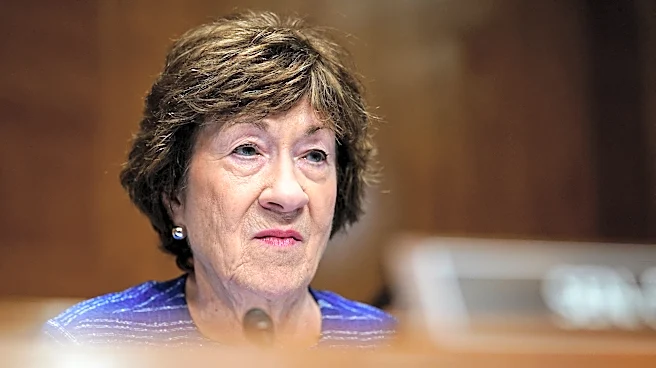
Democrats and pro-abortion rights groups are actively campaigning against Maine Senator Susan Collins, leveraging her 2018 vote to confirm Supreme Court Justice Brett Kavanaugh. This effort is part of a broader strategy to unseat Collins in the upcoming
Senate election. Democrat Senate nominee Troy Jackson has released an advertisement directly attacking Collins for her support of Kavanaugh and Justice Neil Gorsuch, both of whom were part of the Supreme Court majority that overturned Roe v. Wade in the 2022 Dobbs decision. Jackson and his supporters argue that Collins, who has historically presented herself as supportive of abortion rights, can no longer credibly maintain that stance. Reproductive Freedom for All and the Democrat-aligned Senate Majority PAC have launched a significant direct-mail campaign, spending $250,000 to target over 100,000 Maine households, particularly focusing on women who advocate for abortion rights. This initiative is part of a nationwide 'My Body. My Ballot' campaign, totaling $23.5 million. Planned Parenthood Action Fund and Reproductive Freedom for All have endorsed Jackson, despite his own evolving history on abortion rights.
Why It's Important?
This political targeting of Senator Collins highlights the enduring and significant impact of Supreme Court appointments on U.S. elections and public policy, particularly concerning abortion rights. The overturning of Roe v. Wade has galvanized abortion rights advocates, making judicial confirmation votes a potent campaign issue. For Senator Collins, a long-serving Republican known for her moderate image, her vote for Justice Kavanaugh has become a central point of contention, challenging her perceived stance on women's rights. The outcome of this Senate race could influence the balance of power in the U.S. Senate and demonstrate the electoral consequences for lawmakers whose votes on judicial nominees are seen as contributing to major policy shifts. The substantial financial investment by pro-abortion rights groups underscores the high stakes involved and their commitment to holding elected officials accountable for their judicial confirmation decisions. This situation also reflects the increasing polarization of U.S. politics, where past votes on highly sensitive issues can define a candidate's electability for years.
What's Next?
The Maine Senate race is expected to intensify as the election approaches, with continued focus on Senator Collins's vote for Justice Kavanaugh and its perceived link to the Dobbs decision. Democrat nominee Troy Jackson and his allies will likely continue to emphasize this issue in their campaign messaging and advertising. Senator Collins's campaign will need to counter these attacks, potentially by highlighting her post-Dobbs efforts to codify abortion rights into federal law, as mentioned in the source, or by emphasizing her long record of service and her role as chair of the Senate Appropriations Committee, which provides Maine with significant influence over federal funding. The election will serve as a critical test of whether voters prioritize a senator's influence and experience over their past votes on contentious social issues. The national attention and spending from both parties indicate that this race is considered pivotal, and its outcome could offer insights into the broader political landscape and the electoral power of abortion rights as a defining issue in U.S. politics.
Beyond the Headlines
The ongoing debate surrounding Senator Collins's vote for Justice Kavanaugh and its implications for abortion rights extends beyond a single election cycle, touching upon deeper questions about judicial independence, political accountability, and the evolving role of the Supreme Court in American society. The comparison of Justice Kavanaugh's confirmation process to past controversial hearings, such as those involving Justice Clarence Thomas, underscores a recurring theme in U.S. politics: the profound and lasting impact of Supreme Court appointments. This situation also highlights the challenge for politicians who attempt to maintain a moderate image while navigating highly partisan issues. The 'Susan Collins is concerned' meme, referenced in the source, illustrates how public perception and social media can shape a politician's narrative, especially when their actions appear to contradict their stated positions. Ultimately, this election in Maine is not just about a Senate seat; it's a microcosm of the national struggle over fundamental rights, the power of the judiciary, and the accountability of elected officials to an increasingly polarized electorate.