
What's Happening?
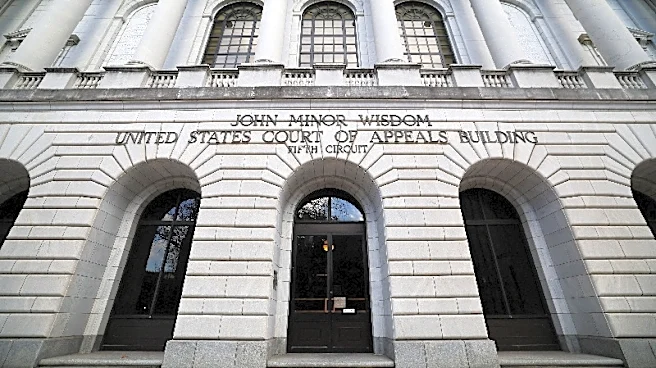
The U.S. Supreme Court rejected appeals from major drugmakers challenging a program requiring them to negotiate drug prices with Medicare. This decision upholds lower court rulings supporting the program,
part of the 2022 Inflation Reduction Act, which allows Medicare to negotiate prices for certain drugs. The program aims to reduce costs for the federal government and Medicare beneficiaries. Drugmakers argued that the program violates their rights, but courts have ruled that participation in Medicare is voluntary. The first round of negotiations is expected to save $6 billion for the government and reduce out-of-pocket costs for seniors by $1.5 billion.
Why It's Important?
The Supreme Court's decision is a significant victory for the Biden administration's efforts to control rising prescription drug costs. By allowing Medicare to negotiate prices, the program aims to alleviate financial pressure on the healthcare system and reduce expenses for seniors. This ruling could set a precedent for future healthcare policy, potentially leading to broader reforms in drug pricing. The decision also represents a setback for the pharmaceutical industry, which has opposed government intervention in pricing. The outcome may influence ongoing debates about healthcare costs and the role of government in regulating the industry.
What's Next?
With the Supreme Court's decision, the Medicare drug price negotiation program will continue to be implemented, with further rounds of negotiations expected. The administration may face additional legal challenges from the pharmaceutical industry, but the current ruling strengthens the program's legal standing. As the program progresses, its impact on drug prices and healthcare costs will be closely monitored. The administration may also explore expanding the program to include more drugs, further increasing potential savings. The decision could influence future legislative efforts to address healthcare costs and reform the pharmaceutical industry.