


What's Happening?
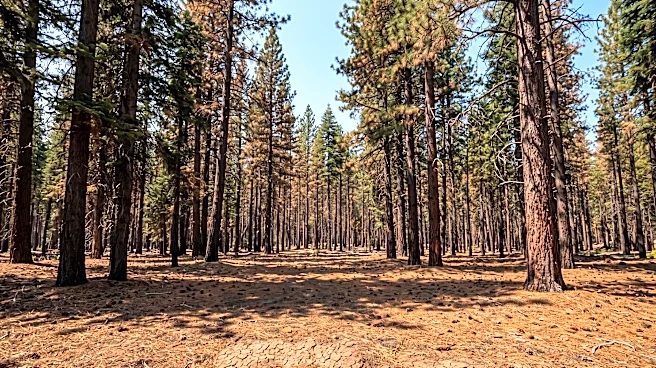
The Custer Gallatin National Forest has begun issuing permits for Christmas tree cutting, a practice officials state can contribute to forest health. According to Charity Berry, Public Affairs Specialist for Custer Gallatin National Forest, cutting Christmas trees
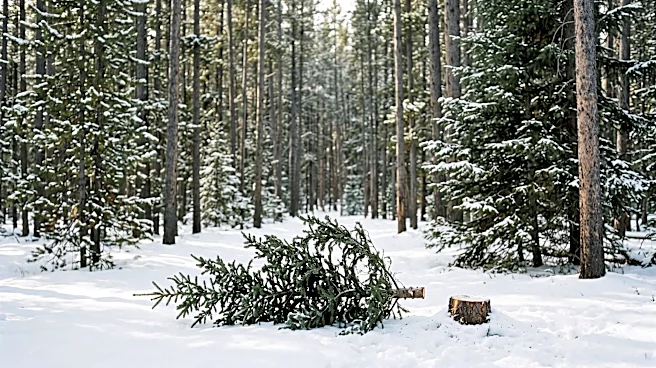
helps thin dense stands, allowing remaining trees greater access to sunlight, water, and nutrients. This thinning process is also said to reduce waste and improve wildlife habitat. Permits are mandatory, and tree harvesting is restricted to specific areas within the Gallatin Forest, excluding campgrounds, picnic areas, trailheads, wilderness or riparian zones, natural landmarks, and reforestation sites. Permittees are limited to three trees per household and must cut the entire tree, not just the top, with the stump as low as possible, ideally six inches or lower. Fourth-grade students with an 'Every Kid Outdoors pass' can obtain a free permit, though a small reservation fee may apply. The initiative aims to balance holiday traditions with ecological management.
Why It's Important?
This initiative is important as it highlights a practical approach to forest management that integrates public participation with ecological goals. By allowing regulated Christmas tree cutting, the Custer Gallatin National Forest is utilizing a traditional activity to achieve thinning objectives, which are crucial for mitigating wildfire risks and promoting overall forest vitality. Dense forests can be more susceptible to severe fires and disease due to competition for resources. The program also serves an educational purpose, raising public awareness about sustainable forestry practices and the importance of responsible resource use. Furthermore, offering free permits to fourth-grade students through the 'Every Kid Outdoors pass' encourages youth engagement with national forests and fosters an early appreciation for environmental stewardship, potentially cultivating future generations of conservation-minded citizens. This approach demonstrates how recreational activities can be aligned with broader environmental conservation strategies.
What's Next?
The Custer Gallatin National Forest will continue to issue Christmas tree permits, with ongoing efforts to inform the public about permit requirements, designated cutting locations, and safety guidelines. The success of this program will likely be evaluated based on public compliance with regulations and the observed ecological benefits of thinning. Future iterations of the program may see adjustments to permit limits, eligible areas, or educational outreach based on feedback and environmental assessments. The Forest Service will also likely monitor the impact of tree cutting on forest density and health, potentially using this data to refine future management strategies. Continued promotion of programs like the 'Every Kid Outdoors pass' will aim to sustain youth involvement in forest activities and environmental education. The broader implications could include other national forests adopting similar strategies to engage communities in forest health initiatives.
Beyond the Headlines
Beyond the immediate benefits of forest thinning and public engagement, this program touches upon the evolving philosophy of forest management in the U.S. Traditionally, forest management has often been viewed as a top-down process. However, initiatives like this demonstrate a shift towards more collaborative and community-inclusive approaches. By framing Christmas tree cutting as a beneficial activity for forest health, the Forest Service is subtly reframing public perception of human interaction with natural landscapes from purely consumptive to potentially restorative. This fosters a sense of shared responsibility and ownership among citizens for the health of national forests. It also underscores the complex balance between conservation, recreation, and economic activity in public lands, suggesting that well-regulated, small-scale resource extraction can sometimes align with ecological objectives, rather than always being in opposition to them. This model could inspire similar programs that integrate cultural practices with ecological restoration efforts across other national forests.