


What's Happening?
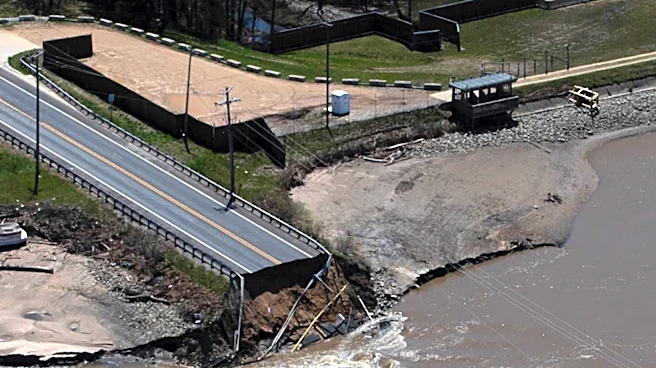
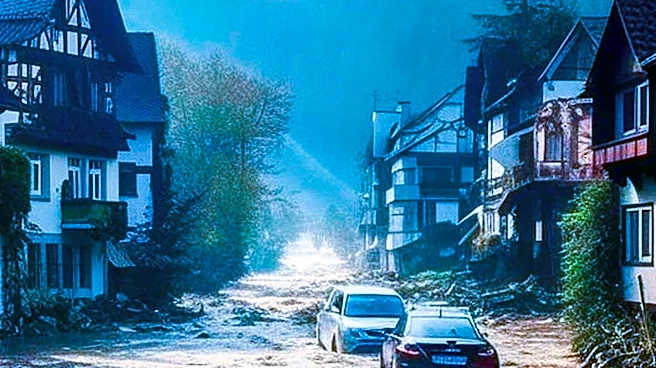
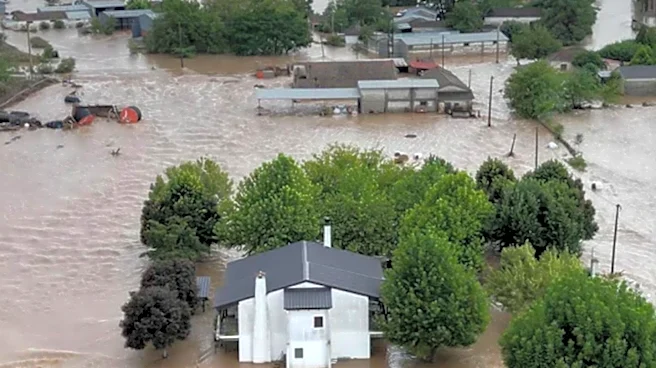
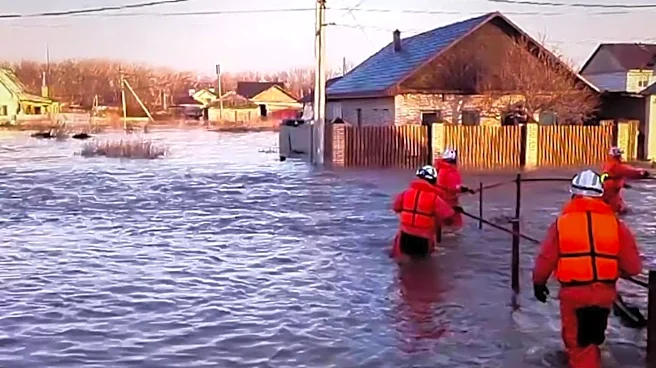
Southwest Colorado has been hit by severe and destructive flooding in early November, following a series of heavy rainfall events since September. This latest flood, caused by another wave of tropical moisture, resulted in the San Juan River at Pagosa
Springs cresting even higher than previous floods in late October. The damage is widespread, with homes lost and numerous crucial roadways washed out. The Pagosa Springs museum was significantly impacted, becoming a symbol of the flood's devastation. The Durango area also experienced extensive damage. This period marks the wettest September-October period on record for much of southern Colorado, with some areas in Archuleta County experiencing their wettest three-month period ever, surpassing average annual precipitation in just over two months.
Why It's Important?
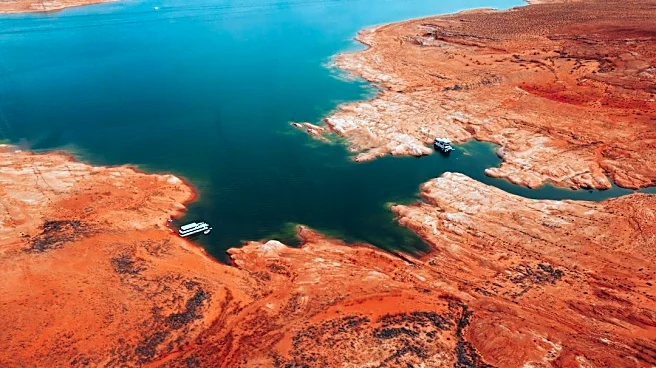
The relentless and extreme rainfall in southwest Colorado highlights the increasing vulnerability of U.S. regions to severe weather events, potentially linked to changing climate patterns. The widespread damage to infrastructure, including homes and roadways, underscores the significant economic and social costs associated with such disasters. While the heavy rains have provided some drought relief, particularly for local reservoirs like Navajo and McPhee, the cost has been immense destruction. This situation presents a critical challenge for local and state governments in terms of disaster preparedness, infrastructure resilience, and long-term recovery efforts. It also emphasizes the complex trade-offs between drought mitigation and flood risk in a changing climate, impacting communities and regional economies.
What's Next?
Following the destructive flooding, immediate efforts will focus on disaster relief, recovery, and rebuilding damaged infrastructure in southwest Colorado. This will involve significant financial investment and coordination between local, state, and federal agencies. There will likely be a push for improved flood forecasting and early warning systems, as well as research into the unique forecasting challenges highlighted by these events. Communities will need to assess and enhance their resilience to future extreme weather, potentially through updated zoning regulations, infrastructure improvements, and community preparedness programs. The long-term implications for water management in the Colorado River Basin, particularly concerning the balance between drought relief and flood control, will also be a critical area of focus.
Beyond the Headlines
The extreme rainfall and flooding in southwest Colorado offer a stark illustration of the localized yet profound impacts of global climate change. While the region has experienced some drought relief, the intensity and frequency of these events suggest a shift in hydrological patterns, moving from prolonged drought to sudden, destructive deluges. This 'whiplash' effect poses significant challenges for water resource management, which traditionally relies on more predictable weather cycles. The damage to the Pagosa Springs museum, a cultural landmark, symbolizes the broader threat to community heritage and identity posed by such disasters. This situation calls for a re-evaluation of infrastructure design, land use planning, and emergency response strategies to adapt to a future where extreme weather events may become the new norm.