





What's Happening?
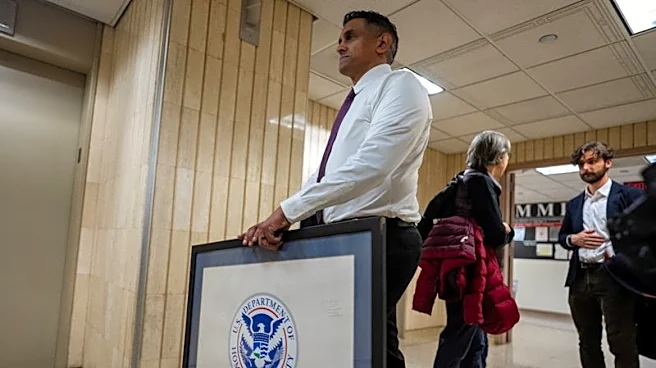
The U.S. State Department has introduced new visa application rules that could significantly limit asylum claims. Diplomatic missions are now instructed to ask nonimmigrant visa applicants if they fear returning to their home countries. If applicants express
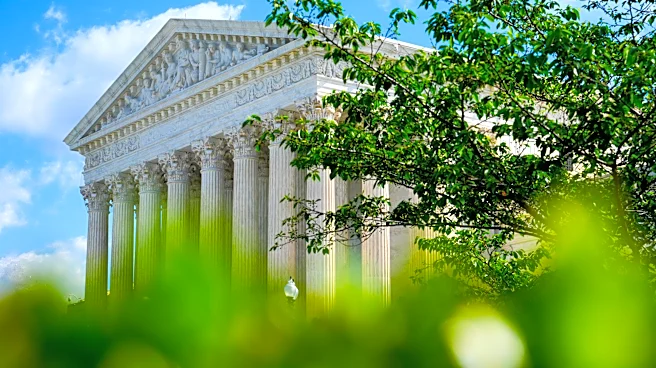
fear, they risk being denied U.S. travel documents. This policy follows a federal appeals court ruling that deemed President Trump's previous invocation of an 'invasion' at the southern border to restrict asylum seekers as unlawful. The new directive aims to filter out potential asylum seekers before they reach U.S. soil, affecting victims of persecution, including domestic abuse survivors and journalists. The policy has raised concerns about its alignment with U.S. law and the 1951 Refugee Convention, which uphold the right to seek asylum regardless of entry method.
Why It's Important?
This policy shift could have profound implications for U.S. immigration and asylum processes. By potentially denying visas to those fearing persecution, the U.S. risks contravening international asylum obligations and could face legal challenges. The move may deter genuine asylum seekers from applying for visas, impacting individuals fleeing violence and persecution. It also reflects a broader strategy by the Trump administration to tighten immigration controls, which could strain diplomatic relations and affect the U.S.'s global image as a refuge for the persecuted. The policy could lead to increased scrutiny and legal battles over the U.S.'s adherence to international human rights standards.