







What's Happening?
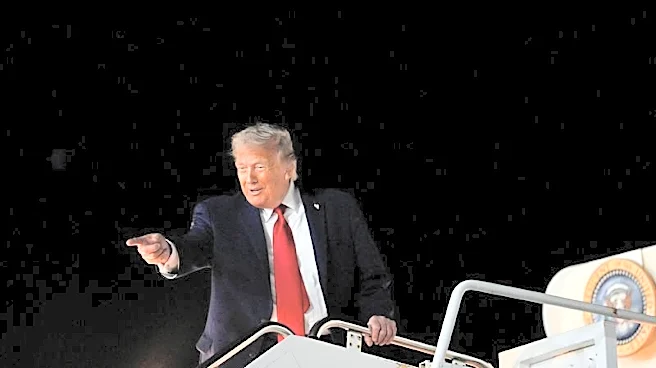
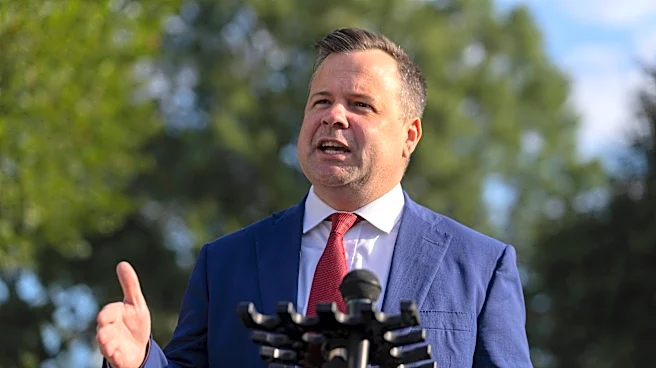
A key surveillance tool under the Foreign Intelligence Surveillance Act (FISA) is set to expire after Congress failed to extend it. The lapse is attributed to a standoff over President Trump's temporary appointment of Bill Pulte as acting director of national
intelligence. Pulte, who lacks significant intelligence experience, has been a controversial choice, leading to bipartisan opposition in Congress. The House vote to extend the FISA powers failed, with 19 Republicans joining nearly all Democrats in rejecting the measure. The Senate also failed to pass its version, making a lapse in the spy powers likely. This development comes as the U.S. faces international tensions and domestic security concerns.
Why It's Important?
The expiration of FISA powers could significantly impact U.S. intelligence capabilities, particularly in collecting foreign intelligence. This lapse occurs at a critical time, with international events such as the World Cup and the U.S.'s 250th anniversary celebrations on the horizon. The inability to renew these powers may lead to challenges in gathering timely intelligence, potentially affecting national security. The controversy over Pulte's appointment highlights ongoing tensions between the Trump administration and Congress, with implications for future intelligence operations and political dynamics.
What's Next?
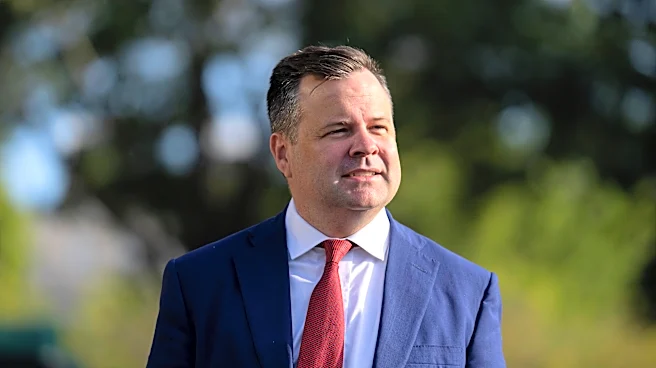
With the FISA powers set to expire, the U.S. government may face legal challenges and operational hurdles in intelligence gathering. President Trump has announced Jay Clayton as his permanent pick for the intelligence director role, but it remains unclear if this will resolve the impasse. Congressional leaders may need to negotiate a new agreement to restore the surveillance powers, while the administration must address concerns over Pulte's appointment. The situation underscores the need for bipartisan cooperation to ensure national security measures are maintained.