





What's Happening?
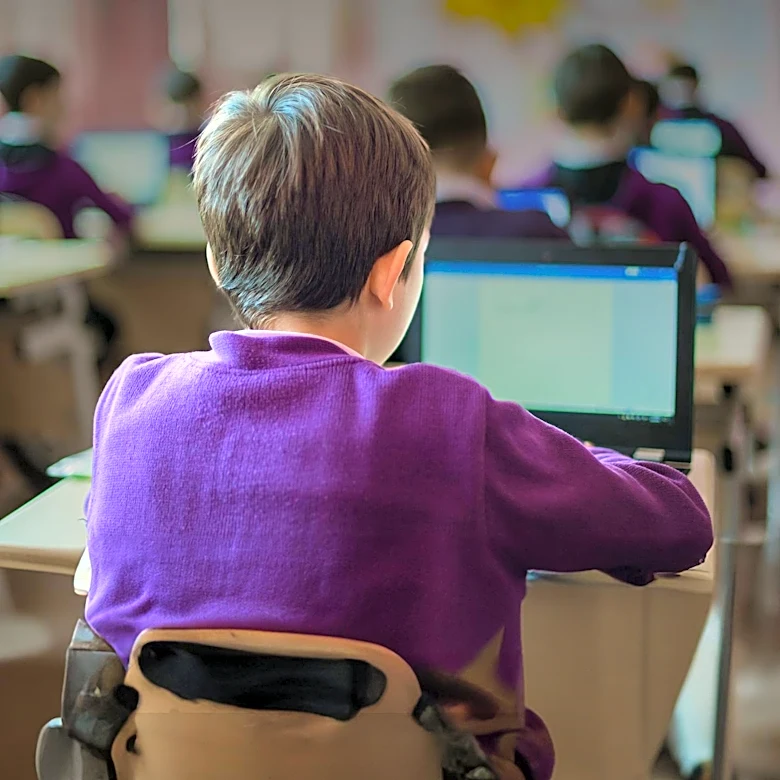
The New York City Council is holding a hearing to question the Department of Education (DOE) regarding the use of technology, including screen time and artificial intelligence (AI), in classrooms. Council members Shekar Krishnan and Eric Dinowitz are
advocating for a reduction in screen time in city public schools, citing research that indicates increased screen time does not consistently lead to improved student achievement. They specifically aim to block students from unrestricted access to YouTube on school-issued devices like iPads. While teachers would still be able to show videos for lessons, the council members want the DOE to demonstrate a clear educational purpose for such usage. The City Council has released a 28-page briefing report reviewing years of research and audits, which supports their stance that more screen time and devices do not reliably enhance student learning. The discussion also extends to the use of one-to-one devices for younger students and the potential return to traditional pencil and paper for some testing. During the pandemic, the DOE acquired 511,000 iPads for $287 million, incurring an additional $4 million per month for data, an investment that an audit later found lacked a central tracking system, leading to instances of students receiving multiple devices.
Why It's Important?
This initiative by the NYC Council is significant as it addresses growing concerns about the impact of digital devices and excessive screen time on student development and academic outcomes. If implemented, a reduction in screen time and restricted access to platforms like YouTube could reshape the educational landscape in one of the nation's largest school districts. This move reflects a broader societal debate about the role of technology in education and the potential negative consequences of over-reliance on digital tools. For students, it could mean a shift towards more traditional learning methods and increased opportunities for in-person social interaction, potentially fostering better social skills and reducing risks of anxiety and depression associated with digital isolation. For the education technology industry, particularly companies providing devices and platforms to schools, this could signal a demand for more rigorously proven educational benefits and stricter controls on content. The financial implications of past technology procurements, such as the $287 million spent on iPads and ongoing data costs, highlight the need for accountability and effective resource management in public education.
What's Next?
Following the hearing, the NYC Council will likely continue its discussions with the Department of Education to establish clearer guidelines and potentially implement new policies regarding screen time and digital device usage in schools. Governor Kathy Hochul has expressed concerns about screen time, especially for younger grades, and is contemplating a statewide approach when the legislative session resumes, indicating that similar measures could extend beyond New York City. The DOE's Chief Information Officer, Scott Strickland, has already stated that YouTube has been filtered out of all student devices as of Wednesday night, signaling immediate action in response to the council's concerns. Further audits of education technology contracts and AI tools are planned, focusing on data privacy, transparency, and accountability. The outcome of these discussions and policy changes in NYC could set a precedent for other school districts across the U.S. grappling with similar issues, potentially influencing national trends in educational technology adoption and regulation.
Beyond the Headlines
The NYC Council's push to limit screen time in schools touches upon deeper societal implications regarding the balance between technological integration and traditional learning, as well as the well-being of children in an increasingly digital world. The debate extends beyond academic performance to encompass the development of social skills, mental health, and the potential for digital addiction. The council's focus on intentional, active, rather than passive, use of digital devices reflects a growing recognition that not all screen time is created equal. This initiative could encourage a re-evaluation of educational philosophies, prompting educators to prioritize pedagogical effectiveness over technological novelty. Furthermore, the financial scrutiny of past technology procurements highlights broader issues of public spending and accountability in the context of rapid technological change. The move also implicitly questions the pervasive influence of tech companies in educational settings and the need for independent oversight to ensure that technology serves educational goals rather than driving them.