








What's Happening?
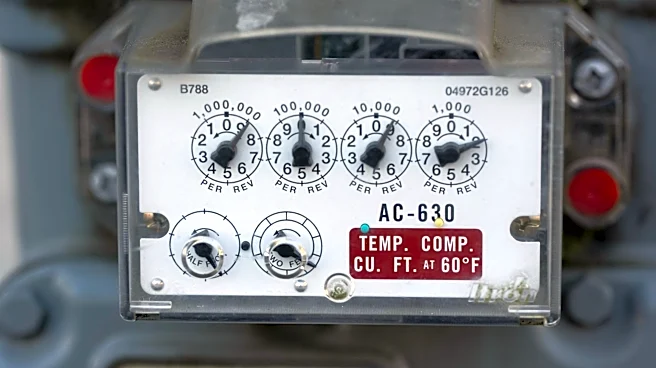
Residents of Norman, Oklahoma, are facing the prospect of higher electric bills as OG&E has submitted a request for a $395 million rate increase. This proposed increase could significantly impact household budgets across the city. In other local developments,
the city of Norman recently released an assessment of its development code and is actively seeking public comments on the proposed changes until October 16. Additionally, concerns regarding turnpike operations have led to discussions about Norman's fire response billing practices. On the sports front, Norman High's softball team secured a 9-7 victory against Shawnee on Senior Night, while Norman North's softball team achieved a dominant 12-1 win over MacArthur, preparing for the postseason. Norman Regional Digestive Health Center has also undergone a transition, now operating independently from GI of Norman and West Norman Endoscopy. The Cleveland County Fair recently concluded, and Norman PD is currently investigating a multi-vehicle crash. Infrastructure updates include I-35 being narrowed to one lane nightly through September for resurfacing, and temporary lanes and traffic signals are in place on May Ave. and N.W. Expressway. A section of I-44 at Pennsylvania Ave. will remain narrowed through spring 2027.
Why It's Important?
The proposed $395 million rate increase by OG&E carries significant implications for the economic well-being of Norman residents and businesses. Higher utility costs can strain household budgets, potentially leading to reduced discretionary spending and impacting local commerce. For businesses, increased operational costs could affect profitability and competitiveness. The city's initiative to gather public comments on its development code is crucial for shaping future urban planning and growth, directly influencing property values, infrastructure development, and the overall quality of life for residents. The discussions surrounding fire response billing due to turnpike concerns highlight potential challenges in funding emergency services and ensuring equitable cost distribution, which could affect public safety and municipal finances. The success of local sports teams, while seemingly minor, contributes to community spirit and engagement, fostering a sense of local identity and pride. The transition of Norman Regional Digestive Health Center reflects ongoing changes in the local healthcare landscape, potentially affecting access to specialized medical services for residents. Ongoing road construction and lane closures, particularly on major arteries like I-35 and I-44, will continue to impact daily commutes, local traffic flow, and potentially commercial transportation, leading to delays and increased travel times for an extended period.
What's Next?
Norman residents should anticipate further developments regarding OG&E's proposed rate increase, including public hearings and regulatory reviews, before a final decision is made. It is crucial for residents to stay informed and participate in any public comment periods to voice their concerns. The city will continue to collect feedback on its development code assessment until October 16, after which the comments will likely be reviewed to inform potential revisions to the code. Discussions concerning Norman's fire response billing in relation to turnpike incidents are expected to continue, potentially leading to policy adjustments or new agreements to address funding and service delivery. Local sports teams, particularly Norman North's softball team, will proceed with their postseason preparations following their recent victories. The Norman PD's investigation into the multi-vehicle crash will continue, with updates expected as more information becomes available. Motorists in Norman should prepare for continued traffic disruptions due to the ongoing resurfacing work on I-35 through September and the long-term narrowing of I-44 at Pennsylvania Ave. until spring 2027. The temporary lane configurations on May Ave. and N.W. Expressway will also remain in effect, requiring commuters to adjust their travel plans accordingly.
Beyond the Headlines
The substantial rate increase requested by OG&E could trigger broader discussions about energy affordability and the regulatory oversight of utility companies in Oklahoma. This situation might prompt residents and advocacy groups to scrutinize energy policies and explore alternatives, such as renewable energy sources or energy conservation initiatives, to mitigate future cost increases. The city's engagement with its development code assessment goes beyond mere zoning; it reflects a proactive approach to managing urban growth, addressing housing needs, and ensuring sustainable development. This process could set precedents for how other growing cities in the U.S. manage their expansion and infrastructure. The debate over fire response billing related to turnpike incidents highlights the complex interplay between state and local jurisdictions in funding essential public services, potentially leading to calls for clearer inter-agency agreements or state-level funding mechanisms for emergency response on major roadways. The ongoing infrastructure projects, while causing immediate inconvenience, are indicative of long-term investments in regional connectivity and economic development. However, the extended duration of these projects also underscores the challenges in maintaining and upgrading aging infrastructure, a common issue across many U.S. cities. The transition of the Norman Regional Digestive Health Center could signal a trend towards more specialized and independent healthcare facilities, potentially improving patient care but also raising questions about integrated healthcare delivery.