




What's Happening?
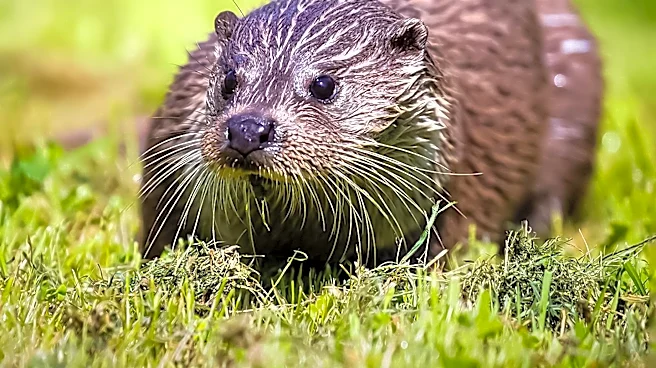
The Alaska Department of Fish and Game has issued an alert advising the public to avoid river otters after two recent attacks in Anchorage. One incident occurred this week along Campbell Creek near Taku Park, where a man and a group of children were approached
by an otter, resulting in injuries to the man. Previously, late last month, a child on a paddleboard was bitten during an encounter with a group of four river otters on Sand Lake. In the same area, otters also exhibited aggressive behavior towards a dog, though the dog was not injured. River otters are common in Anchorage's lakes and streams, often appearing in groups, and are known to be territorial. They can traverse both land and the interconnected waterways of Anchorage. Fish and Game officials have limited details regarding the specific otters involved in the recent Campbell Creek incident, including their group composition.
Why It's Important?
This alert is important for public safety in Anchorage, as it highlights a rare but significant risk posed by wildlife interactions. The incidents underscore the need for residents and visitors to exercise caution around natural habitats, particularly waterways where river otters are prevalent. While river otter attacks on humans or dogs are uncommon, their territorial nature can lead to aggressive encounters, as demonstrated by these recent events. The potential for injury, as seen with the man and child, necessitates public awareness and adherence to wildlife advisories. Furthermore, the agency's mention of rabies, though not recently documented in Southcentral Alaska river otters, serves as a crucial reminder of potential zoonotic disease transmission, emphasizing the importance of avoiding direct contact with wild animals. The incidents could also influence local recreational activities and public access policies in affected areas, prompting greater vigilance from park services and wildlife management.
What's Next?
Following these incidents, the Alaska Department of Fish and Game is urging people to take precautions, including keeping pets away from river otters and using bear spray or loud noises to deter aggressive animals. Officials also recommend notifying Fish and Game through their online reporting tool after any encounter with an otter. The agency will likely continue to monitor otter activity in the affected areas and may issue further guidance or warnings if more incidents occur. Public education campaigns might be intensified to inform residents about safe practices around wildlife. Depending on the frequency and severity of future encounters, there could be discussions about more proactive measures to manage human-wildlife interactions in Anchorage's urban and semi-urban waterways, potentially involving increased patrols or specific signage in high-risk areas. The focus will remain on preventing further injuries and ensuring public safety while coexisting with local wildlife.
Beyond the Headlines
Beyond the immediate safety concerns, these incidents touch upon the broader implications of urban expansion into wildlife habitats. As Anchorage continues to develop, the interface between human activity and natural ecosystems becomes more pronounced, leading to increased interactions with species like river otters. These events serve as a reminder of the delicate balance required for coexistence and the challenges in managing wildlife in increasingly urbanized environments. The territorial behavior of otters, combined with human recreational activities in their natural spaces, highlights a growing need for integrated urban planning that considers ecological corridors and wildlife behavior. Ethically, it prompts reflection on human responsibility towards wildlife, advocating for respectful distance and non-interference. Culturally, such alerts can foster a greater appreciation for local biodiversity while also instilling a necessary caution, shaping public perception and interaction with the natural world within city limits.