
What's Happening?
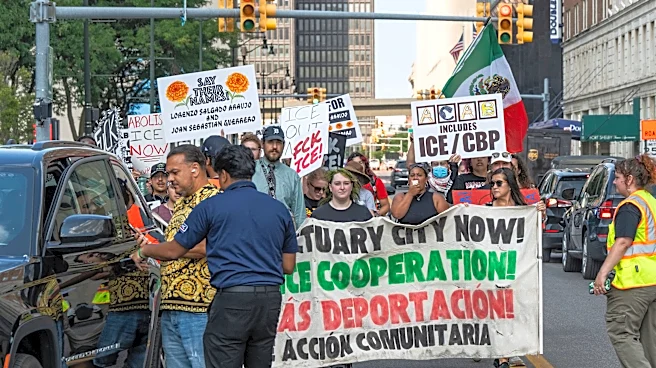
Maine has enacted three new laws aimed at limiting the involvement of Immigration and Customs Enforcement (ICE) in state facilities. These laws, known as 'ICE Out' laws, prevent state resources from being
used to assist ICE in immigration enforcement. They apply to schools, hospitals, and housing authorities, among other public institutions. The laws are designed to protect immigrant communities by prohibiting the sharing of personal information with federal agents without a judicial warrant. Advocates argue that these measures will enhance public safety and trust in government institutions, while critics warn of potential negative impacts on law enforcement cooperation and public safety.
Why It's Important?
The implementation of these laws marks a significant step in Maine's approach to immigration policy, emphasizing the protection of immigrant rights and community trust. By restricting ICE's access to state resources, Maine aims to create a safer environment for immigrants, encouraging them to engage with public services without fear of deportation. This approach reflects a broader national debate on the role of local governments in federal immigration enforcement. The laws could serve as a model for other states seeking to balance immigration enforcement with community safety and trust.