




What's Happening?
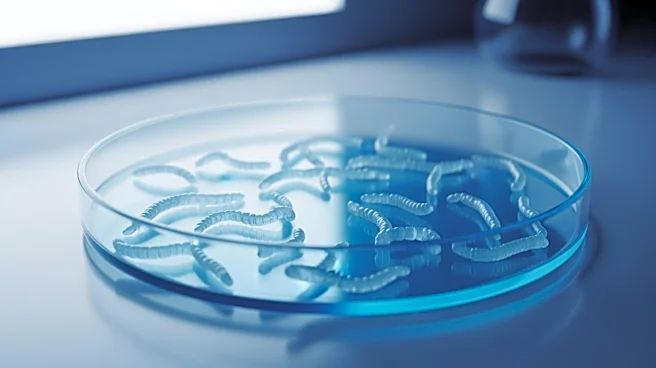
Recent scientific discussions have revisited the controversial topic of memory transfer in worms, a subject that gained attention in the 1960s. Initial experiments suggested that planarian worms could learn and transfer memories, but recent attempts to replicate
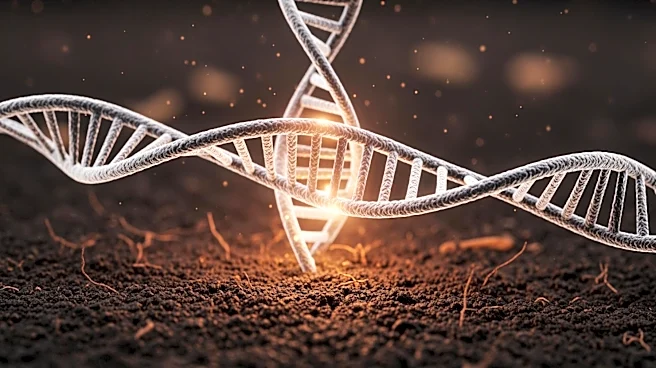
these findings have failed. However, new research on other organisms, such as sea slugs and roundworms, has shown promising results. Scientists have discovered that certain genetic materials may play a role in memory transfer, reviving interest in the field. This research could have significant implications for understanding memory and learning processes across species.
Why It's Important?
The renewed interest in memory transfer research could lead to breakthroughs in neuroscience, particularly in understanding how memories are stored and transferred. This has potential applications in treating memory-related disorders and enhancing learning capabilities. The findings challenge previous assumptions about memory and highlight the importance of revisiting past scientific claims with modern techniques. The research also underscores the role of genetic material in memory processes, which could open new avenues for genetic and neurological studies.
Beyond the Headlines
The exploration of memory transfer raises philosophical questions about the nature of memory and consciousness. It challenges traditional views on learning and adaptation, suggesting that memory might not be solely a function of complex brains. The research also highlights the evolving nature of scientific inquiry, where past theories can gain new relevance with technological advancements. This underscores the importance of maintaining an open mind in scientific exploration and the potential for interdisciplinary approaches to yield unexpected insights.