





What's Happening?
The global nuclear power sector is anticipated to experience significant growth, with capacity projected to rise by 25% from 395 GW in 2024 to 494 GW by 2035. This expansion is attributed to a combination of geopolitical, environmental, and economic factors.
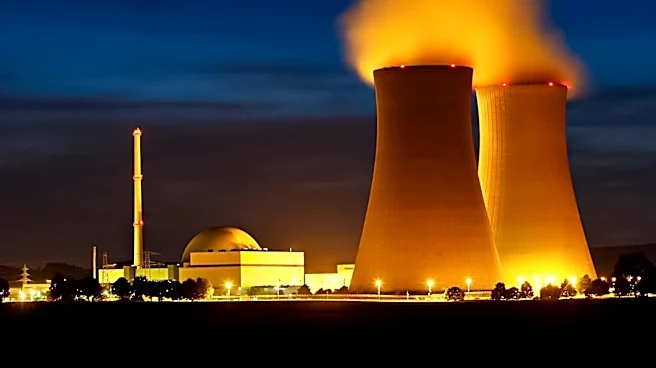
Nations are increasingly turning to nuclear energy to reduce their reliance on fossil fuels and ensure grid reliability amidst volatile energy markets and the imperative for decarbonization. The resurgence in nuclear power includes both the extension of operational lifespans for existing reactors and the construction of new facilities. Asia, particularly China, is a major driver of this growth, with China surpassing France in nuclear power generation. The United States remains the largest nuclear producer, operating 97 GW of capacity and generating nearly 788 TWh annually. Global nuclear generation is expected to increase from 2,616 TWh in 2024 to 3,410 TWh by 2035.
Why It's Important?
This projected growth in nuclear power is crucial for the U.S. and global energy landscape. For the U.S., maintaining its position as the largest nuclear producer is vital for energy independence and grid stability, especially as electricity demand is forecast to surge due to energy-intensive sectors like data centers. The global shift towards nuclear energy reflects a broader strategy to achieve decarbonization goals and mitigate the impacts of climate change, which has significant implications for U.S. environmental policy and international climate agreements. The development and deployment of Small Modular Reactors (SMRs) are particularly important, as they offer a more flexible and potentially cost-effective approach to nuclear power, which could influence U.S. energy infrastructure development and investment. This trend also highlights the ongoing competition and collaboration in the global energy sector, with countries like China rapidly expanding their nuclear capabilities.
What's Next?
The coming years will likely see continued investment and innovation in nuclear power technology, particularly in the development and deployment of Small Modular Reactors (SMRs). Over 100 SMR designs are currently in development globally, with upcoming deployments expected in the U.S., U.K., and Canada. By 2035, SMRs are projected to contribute over 10 GW to the global energy mix. Governments are supporting this transition through various financial mechanisms, including loan guarantees, tax incentives, grants, and long-term pricing agreements. These policies aim to de-risk investments and foster innovation in both new nuclear builds and hybrid energy systems that integrate nuclear power with renewables. The focus will be on standardizing SMR construction to reduce costs and mitigate construction delays, which have historically plagued large-scale nuclear projects.
Beyond the Headlines
The renewed interest in nuclear power extends beyond immediate energy needs, touching upon deeper implications for technological advancement, economic competitiveness, and national security. The development of SMRs represents a significant technological leap, potentially making nuclear energy more accessible and adaptable for various applications, including remote areas and industrial parks. This could foster new industries and job creation in the U.S. and other leading nations. Ethically, the expansion of nuclear power necessitates robust safety protocols and waste management solutions, which remain critical public concerns. Culturally, a shift in public perception towards nuclear energy, driven by climate change concerns and technological advancements, could pave the way for broader acceptance and support for these projects. The strategic importance of nuclear technology also has national security implications, influencing international relations and energy diplomacy.