




What's Happening?
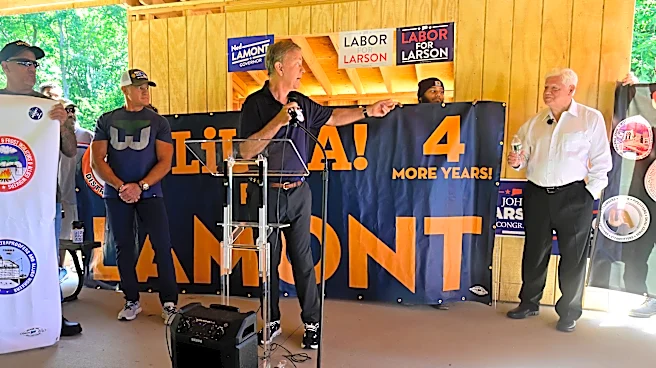
Following the defeat of U.S. Rep. John Larson by Luke Bronin in the Connecticut Democratic primary, questions about age and generational change have emerged for other senior politicians, including U.S. Sen. Richard Blumenthal. At 80, Blumenthal remains
active and has not announced plans for retirement, but the primary results highlight a growing appetite for younger leadership. Bronin's victory, described as a 'political earthquake,' suggests that voters are increasingly willing to challenge long-standing incumbents. This development raises questions about the future of Connecticut's congressional delegation, which includes several older members.
Why It's Important?
The focus on age and generational change in Connecticut's political landscape reflects a broader national trend. As younger voters become more influential, there is increasing pressure on older politicians to make way for new voices. This shift could lead to significant changes in policy priorities and party dynamics. For Blumenthal and other senior politicians, the challenge will be to demonstrate continued relevance and effectiveness in addressing contemporary issues. The outcome of these generational shifts could impact legislative agendas, party leadership, and electoral strategies in the coming years.
What's Next?
Blumenthal, who is up for reelection in 2028, may face increased scrutiny and potential challenges from younger candidates. The Democratic Party will need to navigate these generational tensions while maintaining unity and focus on key issues. As the party prepares for future elections, it will be crucial to balance the experience of long-serving members with the energy and perspectives of new leaders. The response of Connecticut's political establishment to these developments will likely influence similar discussions across the country.