


What's Happening?
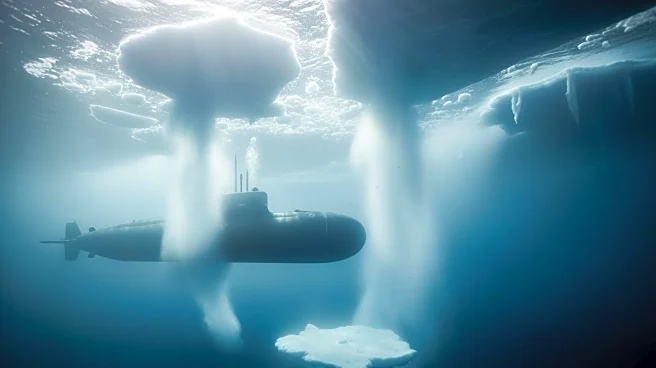
A robotic submersible, part of an international research mission, vanished beneath the Dotson Ice Shelf in West Antarctica in January 2024. The submersible was engaged in a mission to map the underside of the ice shelf, revealing previously undocumented
features such as patterned formations that do not appear in existing ice melt models. This mission was part of a broader effort to understand ice shelf dynamics and their impact on rising sea levels. The disappearance of the submersible has paused data collection efforts in the Amundsen Sea, a critical area for studying West Antarctic glacial stability. Despite extensive acoustic searches, no signal or debris from the vehicle has been found, leaving its final location unknown.
Why It's Important?
The loss of the submersible represents a significant setback in the study of Antarctic ice shelf dynamics, which are crucial for understanding global sea level rise. The data collected by the submersible before its disappearance provided valuable insights into the basal melt processes of the Dotson Ice Shelf, highlighting areas of high melt rates and structural weaknesses. This information is vital for refining models of ice shelf behavior and predicting future changes in sea levels. The interruption of this research could delay the development of strategies to mitigate the impacts of climate change on coastal communities worldwide.
What's Next?
Efforts to locate the missing submersible and resume the research mission are likely to continue, with potential reviews of equipment and mission protocols to prevent future losses. The international research community may need to explore alternative methods or technologies to continue studying the ice shelf dynamics in the absence of the submersible. Additionally, the data already collected will continue to be analyzed to enhance understanding of the ice shelf's behavior and contribute to global climate models.
Beyond the Headlines
The incident underscores the challenges and risks associated with conducting research in extreme environments like Antarctica. It also highlights the importance of international collaboration in addressing global climate issues. The findings from the submersible's mission could lead to a reevaluation of current ice melt models and influence future climate policy decisions. The loss of the submersible may also prompt discussions on the need for more robust and resilient research technologies capable of withstanding harsh conditions.