



What's Happening?
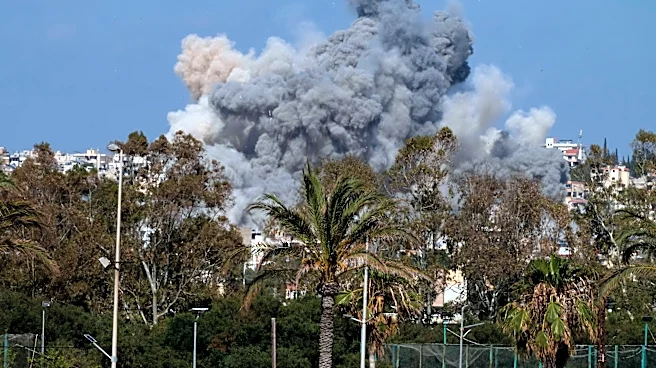
Iran has launched a series of strategic attacks targeting critical infrastructure in the Gulf region, including desalination plants, airports, and energy facilities. These actions have exposed vulnerabilities in the Gulf Cooperation Council (GCC) countries,
leading to significant disruptions in food and water supplies. The attacks have affected millions of people, particularly migrant workers who form the backbone of the Gulf economies. The humanitarian and economic impact is profound, with food prices soaring and essential services being disrupted. The International Monetary Fund (IMF) has noted a significant downgrade in regional growth projections due to these events.
Why It's Important?
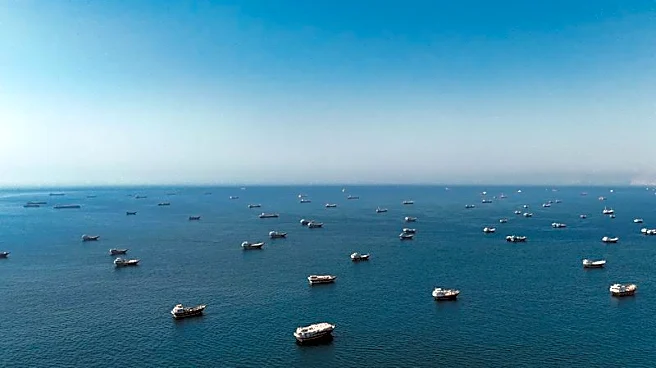
The attacks highlight the geopolitical tensions in the region and the strategic use of infrastructure as a weapon. The disruption of essential services like water and food supply has far-reaching implications, not only for the Gulf states but also for countries dependent on remittances from migrant workers. The economic fallout is severe, with potential long-term impacts on regional stability and growth. The situation underscores the strategic importance of the Strait of Hormuz, a critical chokepoint for global oil and LNG shipping, and raises questions about the effectiveness of current security frameworks in the region.
What's Next?
The ongoing conflict and its impact on essential services could lead to increased political instability in the region. Governments may face public unrest due to rising food prices and shortages, reminiscent of the conditions that led to the Arab Spring. The international community, particularly the United States and its allies, may need to reassess their security strategies in the region to address these vulnerabilities. The potential for further escalation remains, with significant implications for global energy markets and regional security.
Beyond the Headlines
The crisis reveals the broader implications of geopolitical conflicts on civilian populations, who often bear the brunt of such disputes. The use of infrastructure as a strategic target raises ethical questions about the conduct of warfare and the protection of civilian lives. The situation also highlights the interconnectedness of global economies and the ripple effects that regional conflicts can have on international markets and political stability.