

What's Happening?
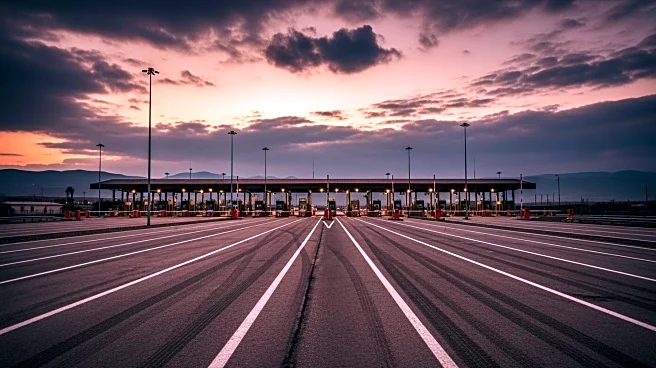
Turkey is enhancing its border defenses in anticipation of a potential influx of migrants fleeing unrest in Iran. Following mass anti-government protests in Iran and a subsequent crackdown, Turkey has fortified its border with concrete walls and surveillance
towers. Despite these preparations, a significant exodus from Iran has not yet occurred. Many Iranians crossing into Turkey have connections in the country or are transiting to other destinations. The Turkish government has developed contingency plans, including tent camps and buffer zones, to manage any potential increase in migration.
Why It's Important?
Turkey's actions reflect the broader geopolitical tensions in the region and the potential for large-scale migration due to political unrest. The situation underscores the challenges faced by countries bordering conflict zones, as they balance humanitarian responsibilities with national security concerns. Turkey's preparations highlight the need for international cooperation in managing migration flows and supporting displaced populations. The situation also raises questions about the long-term impact of regional instability on migration patterns and the capacity of neighboring countries to respond effectively.
What's Next?
If the situation in Iran escalates, Turkey may see an increase in migrants seeking refuge. This could lead to further strain on Turkey's resources and infrastructure, prompting calls for international assistance. The Turkish government's response to any potential migration surge will be closely watched by other countries in the region and could influence broader migration policies. Additionally, the situation may impact Turkey's relations with Iran and other neighboring countries, as well as its role in regional security dynamics.