





What's Happening?
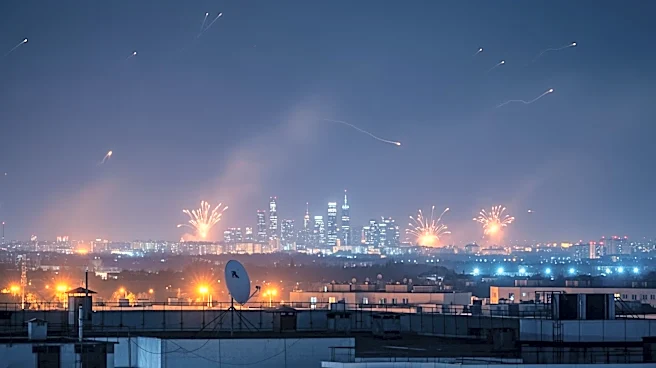
Prime Minister Benjamin Netanyahu convened a security meeting with Defense Minister Israel Katz and senior defense officials following an Israeli Defense Forces (IDF) strike on Hezbollah targets in Beirut's Dahieh district. This action comes in response
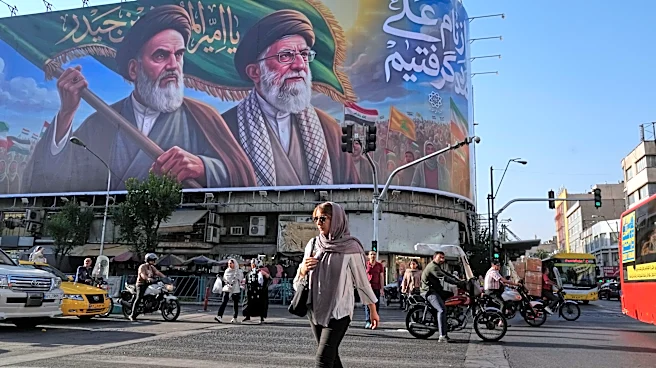
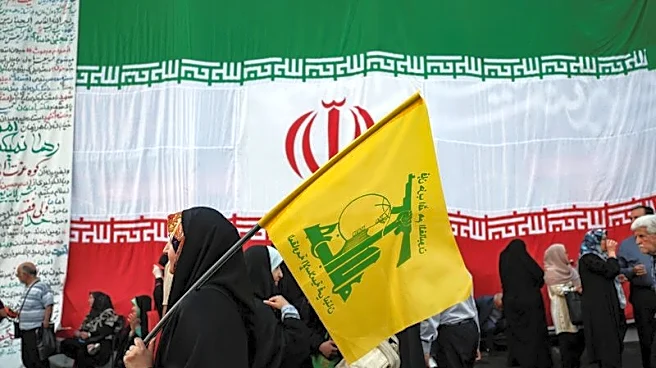
to Hezbollah's fire toward northern Israeli communities. The strike marks a significant shift in Israel's approach, as it targets Hezbollah infrastructure in Beirut, a known stronghold, for the first time since recent ceasefire understandings in Lebanon. The move has prompted threats from Iran, although Israeli officials currently assess the likelihood of an Iranian attack as low. The strike was coordinated with the United States, which understands Israel's stance that any fire on Israeli territory will be met with attacks on Hezbollah centers in Lebanon.
Why It's Important?
This development underscores the fragile security situation in the Middle East, particularly the volatile dynamics between Israel, Hezbollah, and Iran. The Israeli strike on Hezbollah in Beirut represents a strategic shift, potentially altering the balance of power and deterrence in the region. For the U.S., which coordinated with Israel on this action, it highlights the ongoing complexities of its alliances and the need to manage regional stability. The situation could impact U.S. foreign policy and military strategy in the Middle East, as well as its diplomatic relations with Iran and Lebanon. The potential for escalation remains a concern, with implications for regional security and international diplomatic efforts.
What's Next?
Israel's security establishment remains on high alert, prepared for any scenario, including potential retaliatory actions from Iran or Hezbollah. The situation may lead to further military engagements if Hezbollah continues its aggression toward Israel. Diplomatic efforts may intensify to prevent further escalation, involving key international players such as the United States and European nations. The outcome of these developments could influence future ceasefire agreements and the broader geopolitical landscape in the Middle East.