



What's Happening?
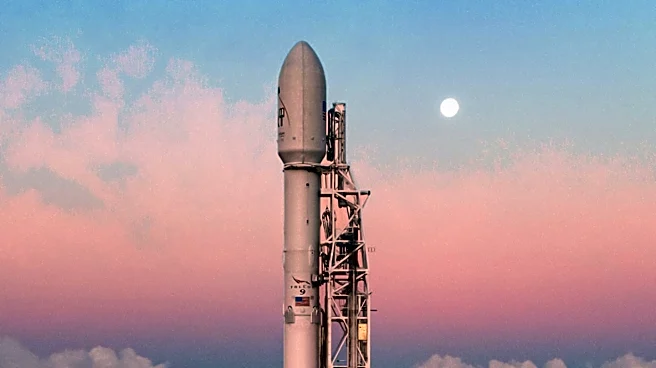
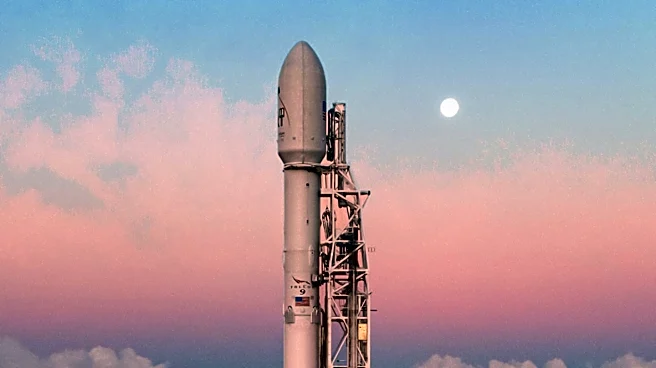
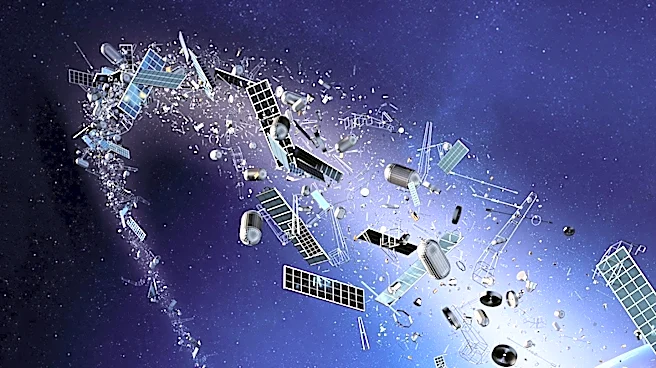
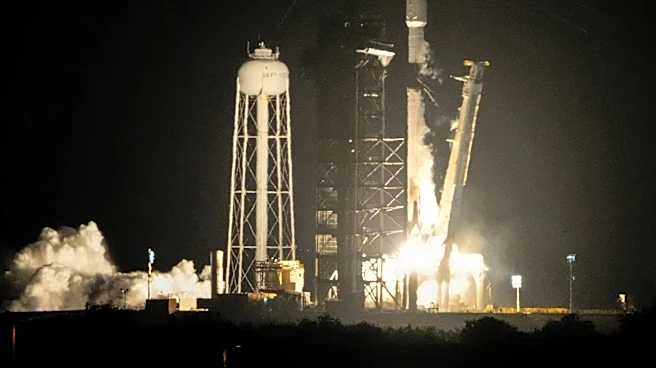
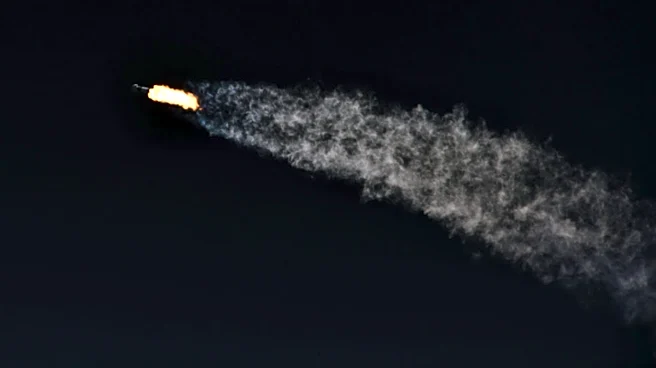
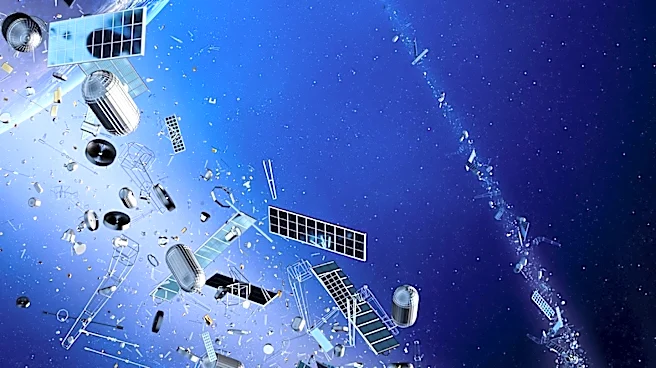
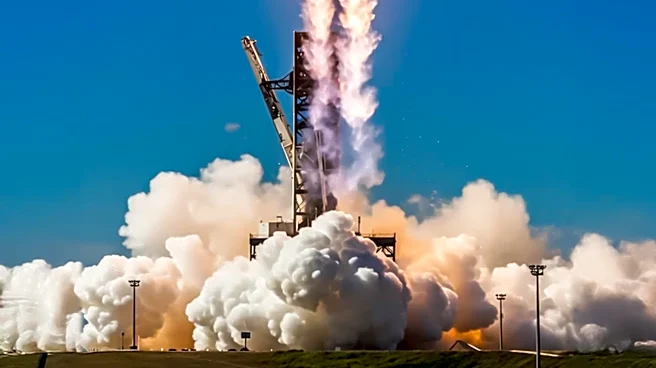
The increasing number of satellites and rockets in orbit has led to a rise in space debris re-entering Earth's atmosphere, with large pieces falling back to Earth at a rate of about one per week. This trend has resulted in nearly 820 reentry alerts issued
by the federal government last year, a significant increase from a decade ago. While most debris burns up or falls into oceans, some pieces have caused damage on land, such as a SpaceX fragment hitting a Florida house. The growing issue of space debris is challenging existing safety regulations, which have not kept pace with the rapid expansion of space activities.
Why It's Important?
The proliferation of space debris poses a risk to both public safety and the environment. As more satellites are launched, the likelihood of debris causing damage or injury increases. The current regulatory framework is insufficient to address these challenges, as existing rules are largely voluntary and outdated. The situation calls for updated regulations and international cooperation to manage space debris effectively and ensure the safety of people and property on Earth.
What's Next?
Efforts to address the space debris problem may include the development of new regulations and international agreements to manage satellite launches and debris mitigation. The space industry and governments will need to collaborate on solutions to track and reduce debris, such as improving satellite design and implementing debris removal technologies. The outcome of these efforts will be crucial in ensuring the sustainable use of space and protecting public safety.