




What's Happening?
Stargazing apps are becoming increasingly sophisticated, offering users more than just basic star identification. These apps, available on Apple and Android devices, can identify stars, constellations, and other celestial objects in real-time using augmented
reality (AR) features. For instance, Sky Tonight allows users to point their phone's camera at the sky to identify objects and locate specific celestial bodies. Beyond live identification, apps like Sky Walk 2 enable users to identify stars from photographs by inputting GPS coordinates and adjusting the date and time to match when the photo was taken. Furthermore, apps such as Sky Safari and Light Pollution Map help users find dark sky sites by displaying light pollution levels, crucial for optimal viewing. For trip planning, Sky Safari 7 Pro assists in creating observation lists and determining the visibility of objects, effectively enhancing the overall skywatching experience for both amateur and seasoned astronomers.
Why It's Important?
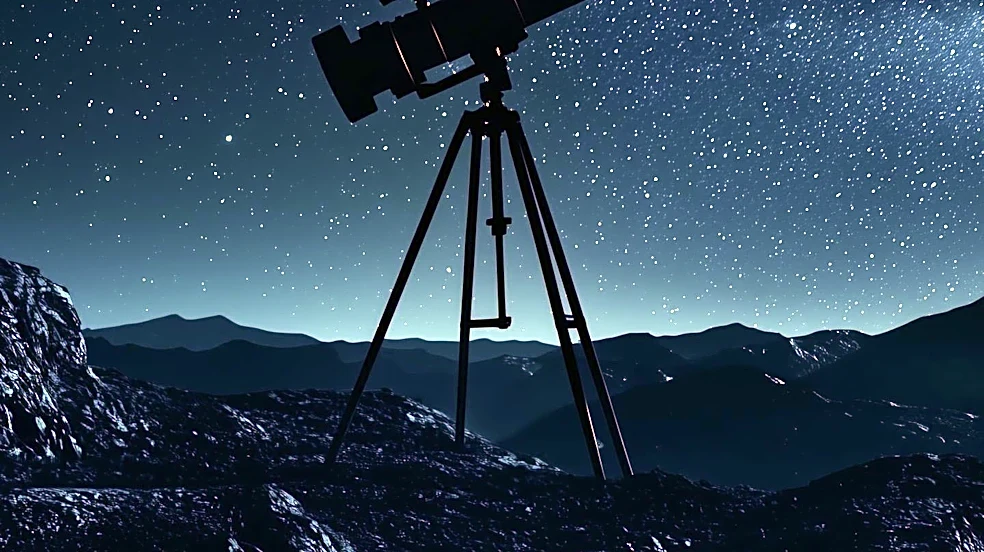
The advancement of stargazing apps holds significant importance for U.S. astronomy enthusiasts, educators, and the tourism industry. These tools democratize access to astronomical knowledge, making it easier for individuals across the country to engage with the night sky, regardless of their prior experience. For educators, these apps provide an interactive and engaging way to teach astronomy, fostering scientific curiosity among students. The ability to identify dark sky sites is particularly crucial in the U.S., where light pollution is a growing concern, impacting both scientific research and recreational stargazing. By facilitating the discovery of these sites, the apps can support astrotourism, benefiting local economies in areas with minimal light pollution. Moreover, the trip planning features can encourage more organized and fulfilling stargazing expeditions, potentially increasing participation in astronomy clubs and events nationwide. This technology also helps in preserving the appreciation for natural nightscapes, which are increasingly threatened by urban development.
What's Next?
The continuous development of stargazing apps is expected to introduce even more advanced features, potentially integrating with smart telescopes and other astronomical equipment for a more seamless experience. As more users adopt these apps, there will likely be an increased demand for features that cater to specific interests, such as astrophotography planning or detailed information on deep-sky objects. The growing awareness of light pollution, facilitated by these apps, could also spur community-led initiatives and policy changes aimed at reducing light pollution in urban and suburban areas across the U.S. Furthermore, the integration of AI and machine learning could enhance the apps' ability to predict optimal viewing conditions, suggest personalized observation plans, and even provide real-time guidance during stargazing sessions. This ongoing innovation will continue to make astronomy more accessible and engaging for a broader audience.
Beyond the Headlines
Beyond their practical utility, stargazing apps have a deeper cultural and philosophical significance. In an increasingly urbanized and digitally saturated world, these apps offer a gateway to reconnecting with the natural world and the vastness of the cosmos. They can inspire a sense of wonder and humility, prompting users to contemplate their place in the universe. The ability to easily identify celestial objects can transform a casual glance at the night sky into a profound educational experience, fostering a deeper appreciation for science and the mysteries of space. Ethically, the emphasis on finding dark sky sites highlights the importance of environmental conservation, specifically the preservation of natural nightscapes, which are vital for both ecological balance and human well-being. These apps serve as a reminder of the beauty and scientific value of a clear night sky, encouraging a collective effort to protect this diminishing natural resource for future generations.