







What's Happening?
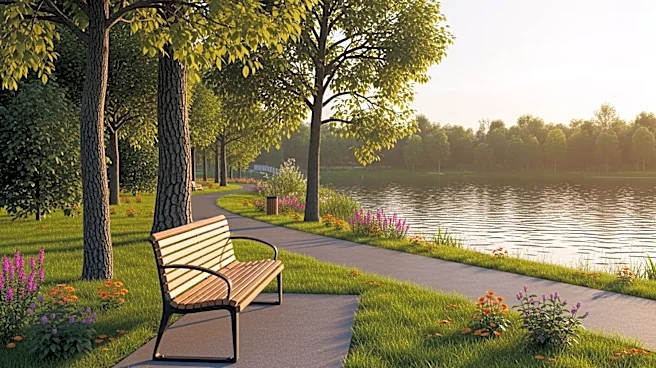
The District of Lake Country has officially reopened Swalwell Park following extensive renovations aimed at enhancing its role as a central hub for community events and recreation. The park, which has been a key outdoor space for the district, now features
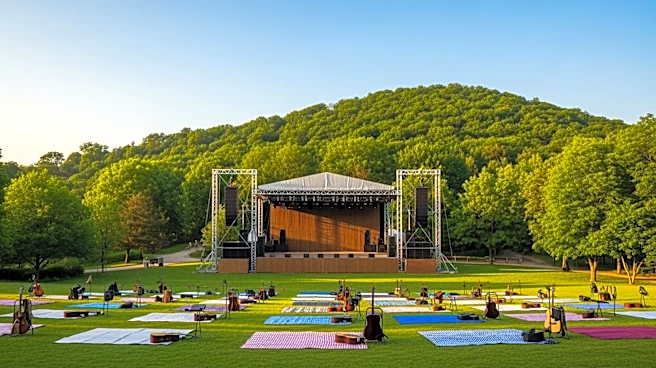
a multigenerational playground inspired by the Okanagan's agricultural history, an expanded splash park with improved accessibility, and an outdoor fitness zone. Additional upgrades include a covered picnic area, a pavilion with a raised stage, and year-round washrooms. These enhancements were made possible through public input gathered in 2023 and design work completed in 2024, with funding support from a SPARC BC Local Community Accessibility Grant and a BC Hydro Re-Greening grant.
Why It's Important?
The revitalization of Swalwell Park is significant as it reflects the community's vision for a vibrant and inclusive public space. By providing facilities that cater to a wide range of age groups and abilities, the park promotes active living and community connection. The upgrades are expected to attract more visitors and support local events, thereby boosting the local economy and enhancing the quality of life for residents. The project also highlights the importance of community involvement in public space development and the role of grants in facilitating such initiatives.
What's Next?
With the park now open, the District of Lake Country is likely to see an increase in community events and recreational activities hosted at Swalwell Park. The enhanced facilities may also encourage other districts to consider similar upgrades to their public spaces. Continued community engagement and feedback will be crucial in ensuring the park meets the evolving needs of its users. Additionally, the success of this project could lead to further investments in public infrastructure and community development initiatives.
Beyond the Headlines
The upgrades to Swalwell Park underscore a broader trend towards creating inclusive and accessible public spaces that cater to diverse community needs. This approach not only fosters social cohesion but also addresses issues of accessibility and inclusivity, which are increasingly important in urban planning. The project serves as a model for other communities looking to enhance their public spaces in a way that reflects local culture and history while promoting health and wellness.