





What's Happening?
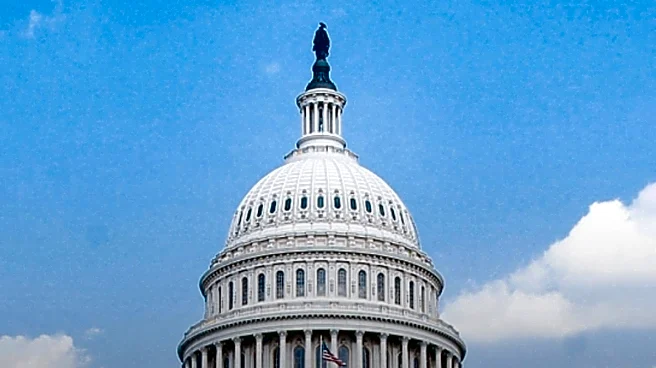
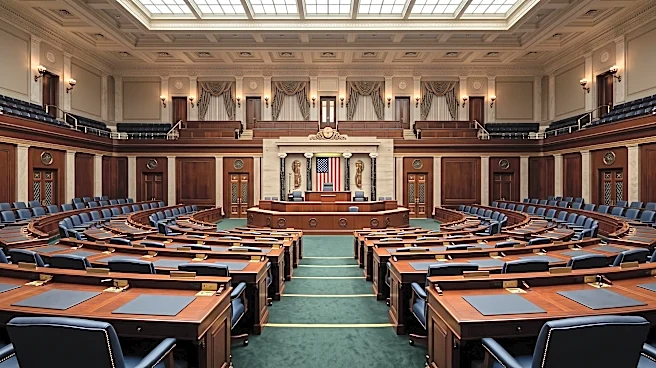
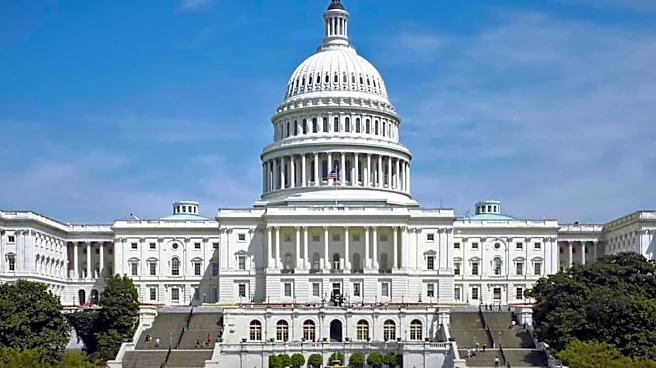
The U.S. House of Representatives has overwhelmingly voted to extend the Diesel Emissions Reduction Act (DERA) through fiscal year 2029. The bipartisan legislation, House Resolution 2140, was introduced by Representatives Doris Matsui (D-CA), Ken Calvert
(R-CA), Chellie Pingree (D-ME), and Nick Langworthy (R-NY). The measure passed with a vote of 343-79, authorizing $100 million in annual funding for the program. DERA, administered by the U.S. Environmental Protection Agency (EPA), provides competitive grants to help fleets transition from older, heavily polluting diesel vehicles and equipment to cleaner alternatives. This initiative aims to reduce air pollution and offers financial incentives to offset the higher upfront costs associated with electrifying commercial fleets. The program has been in effect for two decades, contributing to the removal of tens of thousands of older engines from the road and saving over 500 million gallons of fuel.
Why It's Important?
The extension of DERA is significant for both environmental protection and economic stability within the U.S. commercial transportation sector. By providing grants, the program helps mitigate the financial burden on businesses looking to upgrade their fleets to more environmentally friendly options, which is particularly crucial given the rising fuel prices. This bipartisan support underscores a shared commitment to reducing air pollution and promoting cleaner technologies. The American Trucking Associations highlighted that this legislation is vital for carriers to continue modernizing their fleets, leading to fuel savings and further emissions reductions. The program's success over the past two decades demonstrates its effectiveness in achieving both environmental and economic benefits, making its continuation a key factor in sustainable development and public health.
What's Next?
Following its passage in the House, the legislation will now proceed to the Senate for consideration. If approved by the Senate, it will then be sent to the President for final approval and signing into law. For fleet operators and buyers interested in utilizing the DERA grants, the next step will involve contacting their respective state EPA offices for detailed information on application guidelines and eligibility requirements. The continued funding through 2029 will allow for ongoing efforts to reduce diesel emissions, supporting the adoption of cleaner commercial vehicles and equipment across the nation. Stakeholders, including environmental groups, trucking associations, and state agencies, will likely monitor its progress through the Senate and prepare for its implementation.
Beyond the Headlines
The Diesel Emissions Reduction Act's bipartisan passage highlights a rare area of consensus in U.S. politics, demonstrating that environmental protection and economic incentives can align. This initiative not only addresses immediate concerns about air quality and fuel efficiency but also contributes to the broader goal of transitioning towards a greener economy. The program's focus on bridging the cost gap for electrification efforts in commercial fleets could serve as a model for other industries facing similar challenges in adopting sustainable practices. Furthermore, the long-term impact of reducing diesel emissions extends to public health, potentially decreasing respiratory illnesses and improving overall community well-being, particularly in areas with high commercial traffic. The continued success of DERA could also spur innovation in clean vehicle technologies, fostering growth in related manufacturing and service sectors.