



What's Happening?
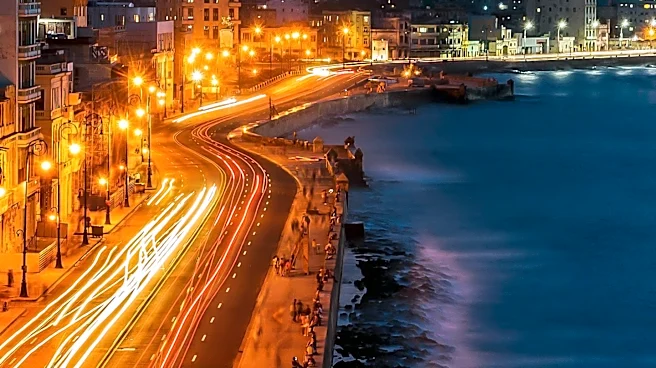
In Havana, Cuba, residents are resorting to sleeping on the city's famous seaside boulevard, the Malecón, to escape the oppressive summer heat amid ongoing islandwide blackouts. These blackouts have been exacerbated by the U.S. administration's decision
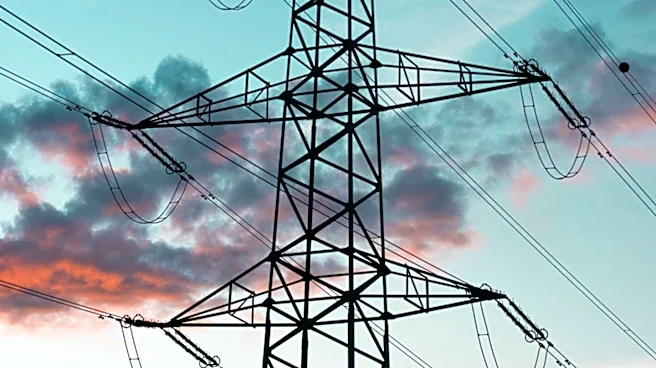
to cut off Cuba from its primary energy source, oil, leading to severe energy shortages. The situation has left many Cubans, like construction worker Alexey Ríos García, with no choice but to seek relief outdoors. The recurring power outages, combined with high temperatures and humidity, have created a challenging living environment, with residents struggling to preserve food and maintain basic living conditions.
Why It's Important?
The energy crisis in Cuba highlights the broader implications of international policies and sanctions on the daily lives of citizens. The U.S. pressure campaign against Cuba's communist government has intensified the country's existing economic struggles, leading to widespread hardship. The blackouts have disrupted essential services, including healthcare and transportation, and have further strained the island's already fragile infrastructure. This situation underscores the resilience of the Cuban people, who continue to adapt to challenging circumstances, but also raises questions about the long-term sustainability of such conditions and the potential for increased migration as residents seek better opportunities elsewhere.