




What's Happening?
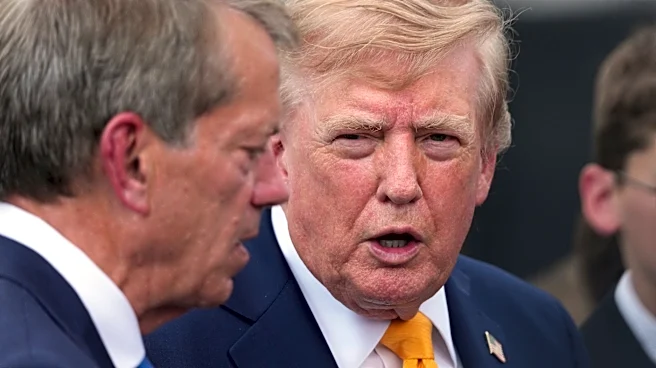
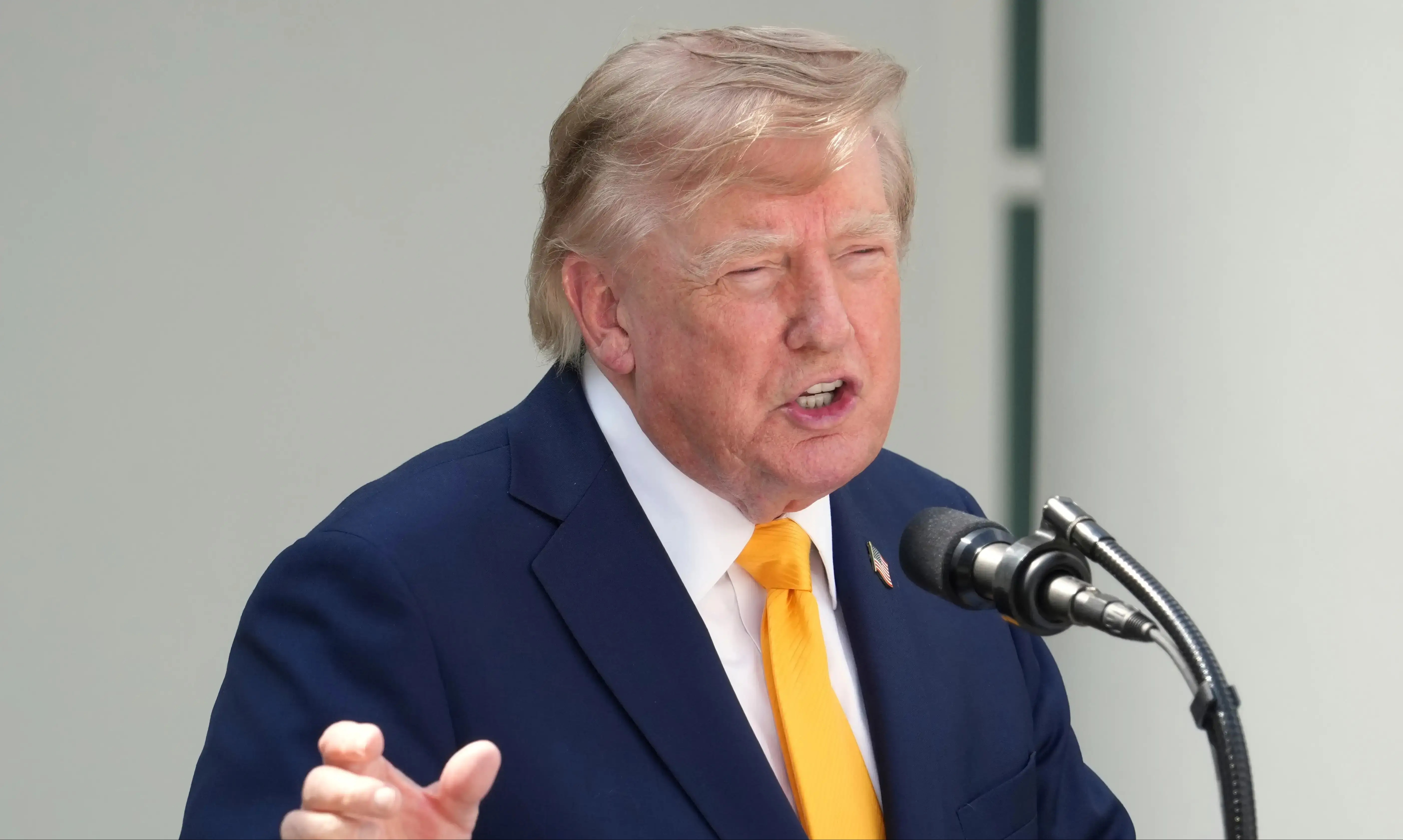
The Trump administration has escalated its trade dispute with Canada by invoking Section 338 of a 1930 law, imposing 50% tariffs on a wide range of Canadian imports. This move, which impacts approximately 5% of Canadian imports, stems from both economic
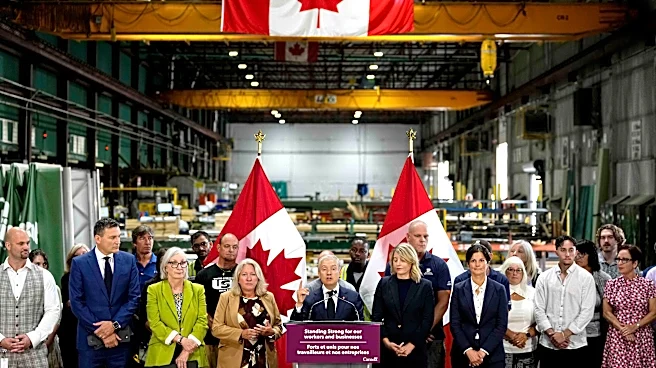
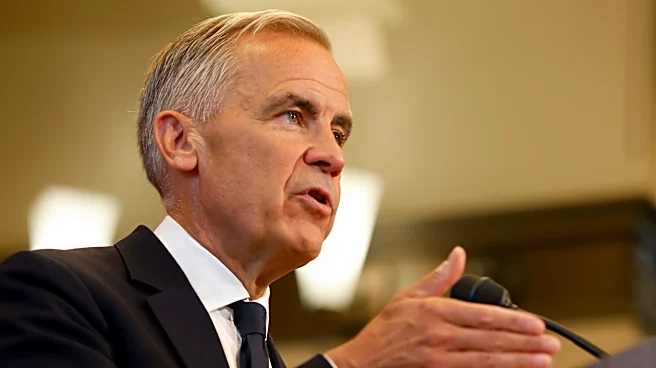
and cultural disagreements, including Quebec’s French-language laws. Canadian Prime Minister Mark Carney has been praised for his response, while President Trump has faced criticism, even from within his own party. The U.S. Supreme Court has previously ruled that the president cannot use emergency powers to impose tariffs. Walmart is reportedly using tariff refunds to lower prices, and increased demand for Canadian oil, aluminum, and fertilizer due to the Iran war has strengthened Canada's position. President Trump's priority to lower costs for inflation-weary consumers ahead of the midterms has also led to the suspension of tariffs on ground beef imports.
Why It's Important?
This trade escalation is significant because it strains the relationship between the U.S. and its closest ally, Canada, potentially undermining long-standing economic partnerships. The limited scope of the tariffs (5% of imports) and the Supreme Court's prior ruling on presidential tariff powers suggest that the U.S. administration's options for further escalation may be constrained. For U.S. businesses, particularly those with integrated supply chains like automakers and Florida tourism operators, Canada is viewed as a partner, and new tariffs risk increasing costs for American businesses and consumers. The Canadian American Business Council estimates that a successful renegotiation of the United States-Mexico-Canada Agreement (USMCA) could create an additional 137,000 U.S. jobs. The ongoing trade dispute could also lead to a long-term erosion of trust between the two nations, even if trade issues are eventually resolved.
What's Next?
The article suggests that there is still time to de-escalate the situation, with Eurasia Group founder Ian Bremmer indicating that President Trump not taking a public victory lap could allow for last-minute resumption of talks. The Canadian government is actively diversifying its trade relationships, including allowing Chinese EV giant BYD into its market, which could reduce its reliance on the U.S. The differing approval ratings of Prime Minister Carney (around 60%) and President Trump (around 35%) highlight the domestic political pressures on both leaders. The opening of the Gordie Howe International Bridge, a symbol of bilateral cooperation, shortly before the latest tariffs, underscores the complex and often contradictory nature of the U.S.-Canada relationship. The long-term impact will likely involve continued efforts to negotiate a trade deal while Canada strengthens its economic resilience and diversifies its international partnerships.
Beyond the Headlines
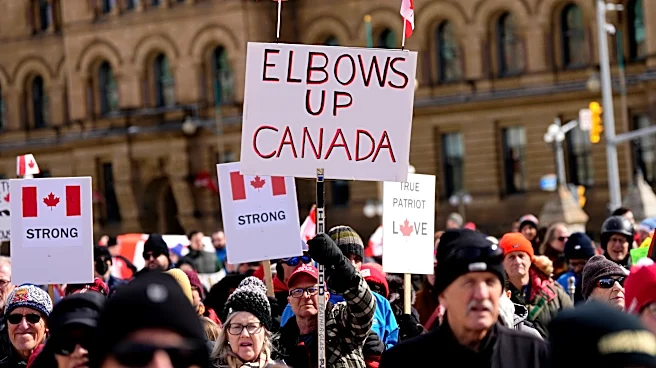
Beyond the immediate economic impact, this trade dispute has profound cultural and psychological implications. A survey by Nanos Research Group indicates that Canadians now perceive the U.S. as a greater threat to their security than Russia or China, a significant shift in sentiment. This 'dumb trade war,' as described in the article, is not just about tariffs and goods; it's about trust and national identity. The comparison to the London Blitz strengthening British resolve during World War II suggests that external pressure can consolidate national support for leaders like Prime Minister Carney. The long-term consequence could be a fundamental re-evaluation of the U.S.-Canada relationship, moving away from the historical perception of an 'undefended border' and close friendship towards a more cautious and independent stance from Canada. This could lead to lasting changes in diplomatic, economic, and even security cooperation between the two countries.